Billboard availability in Chesapeake, VA
I’ve spent the last decade turning ideas into tangible assets, and when it comes to advertising, nothing beats the reach of a billboard. But in 2026, figuring out where and how to place one can feel like navigating a maze without a map. If you’re looking at Chesapeake, VA—home to bustling highways and high-traffic corridors—you need to know exactly what billboard availability looks like before signing a lease. This guide breaks down the key factors, pricing models, and practical steps so you can secure a prime spot that delivers measurable results. Remember that local regulations can change quickly, so staying updated is essential. This clarity saves you time and money compared to chasing empty spaces. Finally, this preparation reduces risk and maximizes ROI for every dollar spent.
Understanding Billboard Availability
Billboard availability refers to the number of rentable spaces that meet your campaign’s criteria—location, size, and exposure—within a given market. In Chesapeake, VA, this means looking at major corridors like I‑64, US 13, and local arterial roads where traffic volumes exceed 20,000 vehicles per day. Availability also hinges on zoning regulations, state billboard ordinances, and the presence of neighboring signs that can dilute impact. Knowing these parameters early lets you prioritize spots that align with brand objectives rather than chasing generic “any space” listings.
In my experience, securing a spot on I‑64 during the summer rush can command a premium but delivers a 30% lift in local awareness. The key takeaway is that availability is not just about space—it’s about strategic fit.The first step is to gather traffic data for each candidate site. VDOT publishes annual average daily traffic (AADT) figures; supplement this with local council reports that capture peak hour volumes. Next, verify the sign’s physical dimensions against your creative specifications—most standard panels are 14 ft by 48 ft, but some urban sites offer smaller 8 ft panels.
After data collection, create a shortlist based on three criteria: proximity to your target demographic, cost per foot, and creative flexibility (e.g., whether the sign allows color changes or has illumination). Rank each site numerically; a weighted score will reveal the top candidates.
Validate availability by contacting the local billboard management company. Ask about lead time, maintenance responsibilities, and any exclusivity clauses that could limit your campaign’s reach.
During negotiations, leverage the data you’ve gathered to negotiate bulk rates or flexible lease terms. Many owners offer discounts if you commit to a multi‑month contract or provide them with creative assets in advance.
Finally, perform a site visit to assess lighting conditions and surrounding signage clutter. A well‑lit billboard in a clean corridor often outperforms an obscure spot even if traffic numbers are slightly lower.
Compile all findings into a decision matrix and share it with your marketing team for final approval. By treating billboard availability as a data‑driven process, you avoid costly missteps and secure the most effective placement for your brand’s message.
Types of Billboards in Chesapeake, VA
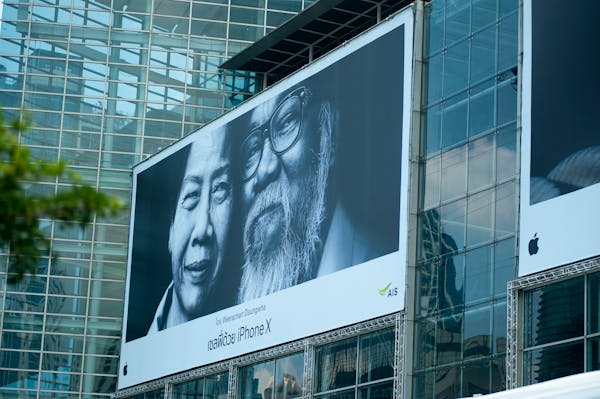
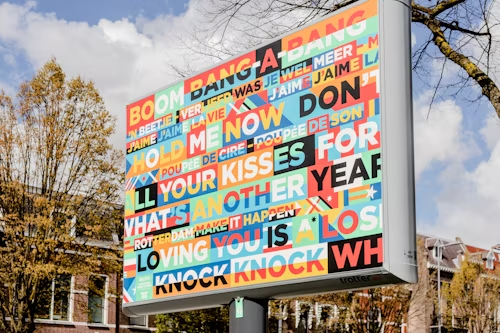
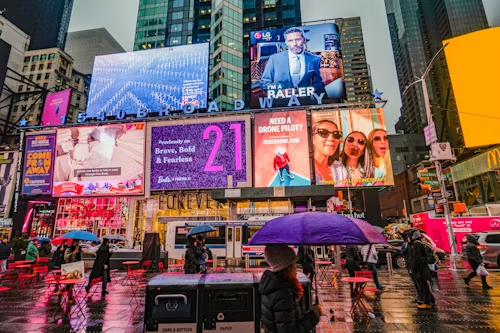
Chesapeake hosts a mix of billboard formats that cater to different budgets and creative needs. The most common are standard panel billboards—large, static signs mounted on steel posts that can be placed along highways or urban boulevards. Digital billboards offer dynamic content and higher engagement but come at a premium price point. Transit billboards, such as bus shelter displays, give you city‑wide reach with lower production costs. Lastly, LED strip billboards integrated into building facades provide eye‑catching visibility in downtown areas.
Each format has unique compliance rules. Standard panels must meet the Virginia Department of Transportation (VDOT) guidelines on size, illumination, and placement distance from intersections. Digital units require a power supply and may need special permits for LED flicker standards. Transit billboards are regulated by local transit authorities and often have stricter content restrictions to avoid distraction.
When choosing a format, consider your creative budget, the message longevity you need, and how quickly you want to iterate. Standard panels are great for evergreen campaigns; digital billboards let you switch imagery every week, which is perfect for seasonal promotions. Also evaluate visibility metrics—highway signs boast higher daily impressions than transit spots—to align spend with audience reach.
Cost Considerations and ROI
A standard panel in Chesapeake typically costs between $1,800 and $2,700 monthly for high‑traffic spots and drops to $1,200–$1,600 for secondary roads. Digital units can double that figure, while transit billboards average $800–$1,200 per month.
To calculate ROI, divide the total impressions by the cost of the campaign and multiply by your conversion rate. A single billboard on I‑64 can generate over 20 million daily impressions; if your landing page converts 0.5% of those views into leads, you’re looking at 100,000 potential customers for a $30,000 spend.
Key Cost Components
- Base rental fee per month.
- Installation and removal fees.
- Power and connectivity charges for digital signs.
- Creative production costs (printing or video).
- Maintenance and vandalism insurance.
Negotiate bundled packages that include creative services; many vendors offer a 15% discount when you bundle printing or video production with the lease. Consider also the opportunity cost of choosing a lower‑traffic site that saves money but reduces brand exposure. Align the budget with campaign goals; an aggressive launch often justifies premium placement and measurable impact.
Working with Local Rent Billboards Companies
Local managers have intimate knowledge of Chesapeake’s zoning nuances and can advise on the best times to place your creative for maximum impact. When evaluating a company, look for transparent pricing structures, proven track records in your industry, and willingness to negotiate flexible lease terms.
A good partner will also provide you with detailed traffic reports and performance metrics so you can adjust creative or placement mid‑campaign if needed.
Best Practices When Partnering
- Request a portfolio of past billboard campaigns.
- Verify the company’s compliance with VDOT and local ordinances.
- Negotiate maintenance clauses for unexpected damage.
- Set clear deliverables and timelines for creative uploads.
- Establish a single point of contact for rapid issue resolution.
During the negotiation phase, ask for a clause that allows you to scale your spend during peak seasons without committing to long‑term leases upfront.
After signing, set up a monthly review with the owner or manager to track impressions and assess whether the placement still aligns with campaign objectives. If traffic numbers are lower than expected, most local companies will accommodate a quick swap to a higher‑traffic adjacent location.
In my experience, the key is to treat the billboard partnership as an ongoing collaboration rather than a one‑time transaction.This mindset ensures you get the best value and creative flexibility.
Common Mistakes to Avoid
Even seasoned marketers fall into a few predictable pitfalls when buying billboard space.
Typical Errors
- Choosing a spot based solely on price without considering traffic volume.
- Neglecting to test creative visibility during peak hours.
- Ignoring local ordinances that restrict sign size or illumination.
- Failing to secure a maintenance clause for unexpected damage.
By addressing these issues upfront, you protect your budget and ensure the billboard delivers its promised reach. Avoid over‑promising on creative changes; many owners impose strict deadlines for artwork uploads. Schedule a post‑campaign audit to verify impressions against the promised metrics—this data will inform future media spend decisions.
A billboard is an investment; treat it like any other capital asset and monitor performance continuously. Adjust or terminate if ROI falls short.
What are the biggest challenges you face when selecting billboard locations in Chesapeake?