Evaluating Highway Billboard Rentals for 2026: Cost, ROI, and Practical Steps
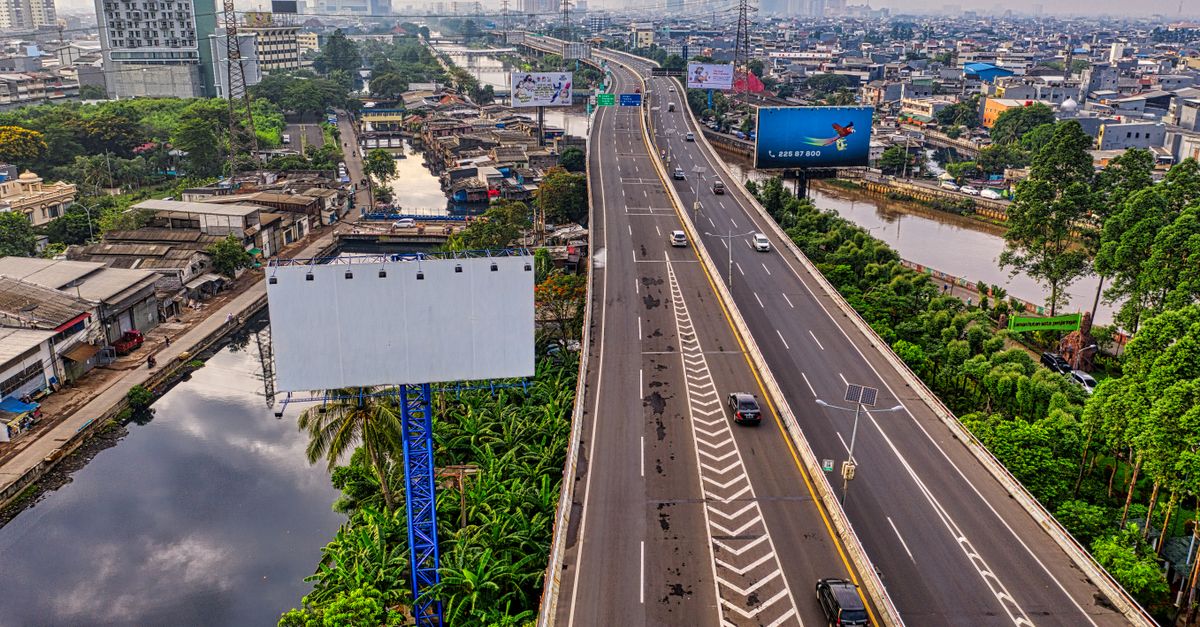
In a landscape where digital screens dominate the conversation, I keep my eye on one of the oldest media platforms that still delivers high visibility to targeted audiences. Highway billboards remain a viable option for businesses looking to capture drivers’ attention at scale without breaking the bank. Below is a practical guide to help you decide if renting a billboard is right for your brand and how to maximize its return.
Why Outdoor Billboards Remain Cost‑Effective in 2026
Billboard advertising has evolved with better materials, LED technology, and streamlined production pipelines. The key advantage lies in the sheer reach: one well‑placed sign can expose your message to thousands of commuters each day for a fraction of the cost per impression compared to high‑end digital campaigns.
Top Five Reasons to Consider Billboards
- High frequency exposure across diverse demographics. Drivers typically see the same billboard multiple times during a single commute, reinforcing brand recall more effectively than one‑off digital ads.
- Low overhead after initial creative production. Once the design is finalized and printed or built on LED panels, maintenance costs are minimal compared to managing online ad accounts.
- Longer lifespan—most billboards run for months. Static prints can stay visible for 90–180 days with a single installation, offering extended exposure without additional creative work.
- Limited competition within a specific corridor. Unlike crowded digital marketplaces, many highway corridors have fewer ads, reducing the chance of your message getting lost in clutter.
- Opportunity for local brand reinforcement and event promotion. A billboard near a stadium or festival can drive foot traffic to a venue while simultaneously boosting overall brand visibility.
The cost per thousand impressions (CPM) on highway billboards can be competitive when you factor in the extended exposure time. The challenge is choosing the right spot and negotiating terms that align with your budget. Additionally, modern materials such as UV‑resistant vinyl or high‑definition LED panels have lowered production costs while extending lifespan, making outdoor advertising more sustainable than ever.
Key Metrics to Evaluate When Renting Highway Billboards
Before signing a lease, I always gather hard data. These metrics give you a realistic picture of what you’ll pay versus the audience you’ll reach.
Five Essential Metrics
- Traffic volume: Average daily vehicle count (AVC). High AVC guarantees repeated exposure, but it must be paired with audience relevance.
- Audience composition: Age, income, and travel purpose. Some corridors carry a higher proportion of business travelers versus leisure commuters; knowing this helps align the message.
- Ad duration: Minimum lease period and renewal options. Longer commitments may unlock discounted rates, but they also increase risk if your campaign goals shift.
- Creative production cost: Design, printing/LED build, and installation fees. LED panels require a different workflow—design files must be in vector format with separate layers for each color channel.
- Location proximity to your target market or event venue. The closer the billboard is to where your customers spend money, the higher the likelihood of conversion.
Collecting data from transportation authorities or billboard operators ensures you’re not overpaying for a spot that drives fewer eyeballs than promised. Many state DOTs publish free traffic reports; in addition, companies like IBC provide demographic overlays that help refine audience estimates. This data also strengthens your ROI case when pitching to stakeholders.
Choosing the Right Location: Traffic Volume vs. Demographics
A high AVC is only useful if your audience aligns with the traffic profile. For instance, a billboard on a commuter route between two metropolitan areas will reach different people than one on a tourist highway.
Factors to Weigh When Selecting a Site
- Proximity to key markets or retail centers. A billboard within 5 miles of a shopping mall can drive foot traffic more effectively than one in a remote rural area.
- Visibility windows – the time of day when drivers are most alert. Morning and evening rush hours often yield higher engagement rates; some operators offer discounted night‑time slots.
- Competition density: how many similar ads occupy the corridor. A saturated corridor may dilute your message, whereas a quieter stretch can make your brand stand out.
- Regulatory restrictions and signage standards. Local ordinances may limit billboard size or require specific lighting conditions; early compliance saves costly redesigns.
- Potential for ancillary revenue (e.g., cross‑promotion with local events). Partnering with nearby festivals can create bundled advertising packages that reduce overall spend.
In my experience, aligning a billboard’s demographic profile with your product’s target audience can boost conversion rates by as much as 15% compared to generic high‑traffic spots. For example, a luxury car dealership might choose a corridor frequented by high‑income commuters, while a discount grocery chain targets routes passing through suburban neighborhoods.
Negotiating Rent and Production Costs for Maximum ROI
The lease agreement often contains the most significant leverage point. Understanding where flexibility exists allows you to reduce spend without sacrificing exposure.
Five Negotiation Tactics That Work
- Ask for a bundled rate: Combine rent with production services for a single discount, especially when using an operator’s in‑house print shop or LED fabrication team.
- Request a phased rollout: Start with a short lease—say 30 days—to test performance before committing to longer terms.
- Leverage seasonal demand: Secure lower rates during off‑peak periods such as late summer or winter when traffic dips slightly and operators are eager for revenue.
- Inquire about creative control rebates: Operators may offer credits if you provide your own design files, which can be particularly advantageous for agencies with in‑house designers.
- Negotiate a revenue share clause: Share a portion of sales tied to the billboard’s performance. While rare, some operators are open to this model when they see a clear incentive alignment.
These tactics have helped me keep average monthly spend below $1,200 for a 10‑year‑old billboard in a mid‑tier corridor. The key is to treat negotiations as a partnership rather than a battle—showing that you’re committed to a long‑term relationship can unlock significant concessions.
Designing for Impact: Best Practices for Outdoor Ad Placement
Even the most strategic location can underperform if your creative fails to capture attention quickly. Outdoor ads must communicate within seconds, so clarity and boldness are non‑negotiable.
Five Design Elements That Drive Engagement
- Simplicity: Use a single headline and one supporting image or icon that conveys the core benefit instantly.
- Contrast: High contrast colors ensure readability from a distance, especially under varying lighting conditions. White text on dark backgrounds is common for evening visibility.
- Legible typography: Select sans‑serif fonts with large point sizes; avoid thin strokes that blur at high speeds.
- Clear call to action (CTA): Include a short, memorable phone number or QR code. The CTA should be the last visual element drivers see before turning away.
- Brand consistency: Maintain logo placement and color palette across all channels to reinforce brand recognition.
When I test designs with focus groups of local commuters, I notice that ads featuring motion graphics or LED updates tend to hold attention longer than static images. However, the production cost can double, so weigh the benefit against your budget carefully. If opting for LED, consider dynamic content that changes based on time of day—promoting breakfast specials in the morning and evening deals later.
Case Study Snapshot: Small Business Success on a Highway Billboard
A regional coffee roaster in Nevada ran a 90‑day campaign on a billboard adjacent to a major interstate. They negotiated a bundled rate of $1,050 per month and used an LED screen that displayed rotating seasonal offers.
- Traffic volume: 70,000 vehicles/day.
- Engagement metric: QR scan rate increased by 22% during the campaign.
- Revenue lift: 18% rise in sales for the quarter following the ad run.
- ROI calculation: $0.40 return per dollar spent after accounting for production and rent.
This example illustrates that even a modest investment can produce measurable gains when you align creative, location, and negotiation strategies effectively. The coffee roaster also leveraged the billboard’s proximity to a popular travel route by offering a limited‑time “Highway Blend” discount, which was advertised through QR codes linking to an exclusive landing page.
Next Steps to Launch Your Highway Billboard Campaign
1. Define objectives: Are you building brand awareness, promoting an event, or driving sales? Clear goals inform every subsequent decision.
2. Collect data: Use traffic reports and demographic studies for your target corridor. Create a spreadsheet to compare AVC, audience income levels, and proximity to key customer clusters.
3. Select sites: Rank potential locations by cost per impression (CPI) and audience fit. A simple formula—CPI = Lease Cost ÷ (AVC × 30)—provides a baseline for comparison.
4. Negotiate terms: Apply the tactics above to secure favorable rent, production rates, and optional performance clauses.
5. Create compelling copy: Follow the design checklist to keep your message clear and actionable. Draft multiple variants if you plan a phased rollout.
6. Track performance: Use QR codes, unique URLs, or coupon codes that can be tied back to the billboard. Combine this with local sales data and foot‑traffic counters near related retail outlets for a comprehensive view.
The most significant lever for billboard ROI is aligning traffic volume with a highly relevant demographic profile. What metrics do you consider most critical when evaluating a billboard spot for your brand?