How Can Brands Maximize ROI with Urban Billboard Marketing in 2026?
I’m writing this from my office overlooking a downtown strip where a new digital billboard just rolled out. The shift to urban billboard marketing is more than a trend; it’s reshaping how brands engage audiences on the move. In this article I’ll break down what makes outdoor media solutions effective, why premium billboard placements matter, and how DOOH advertising can deliver measurable results.
1. The Current Landscape of Urban Billboard Marketing
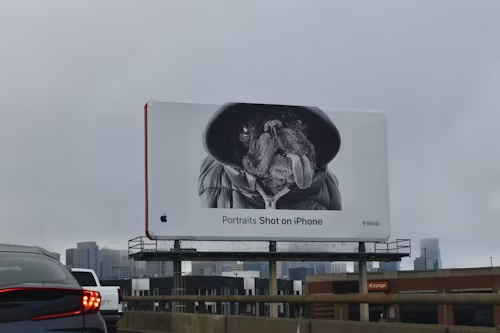
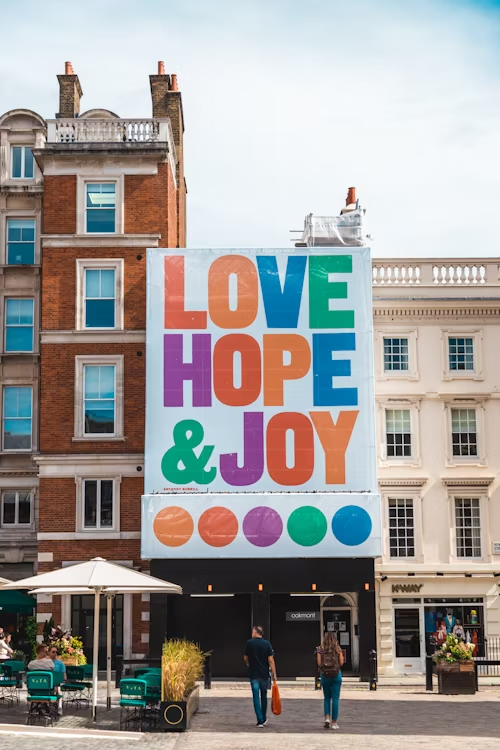
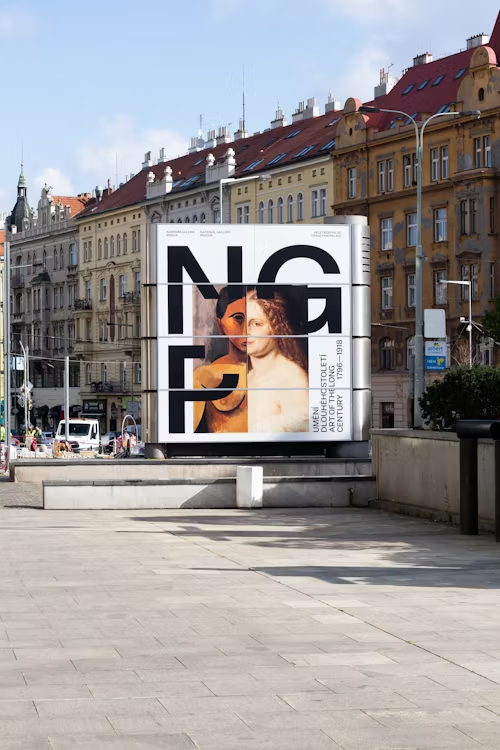
The urban environment is a living canvas—street corners, transit hubs, high‑traffic intersections—all offer powerful exposure points. In 2026 the market has pivoted from static billboards to dynamic digital out‑of‑home (DOOH) platforms that can update in real time. Brands that once relied on generic messages now use contextual triggers: weather changes, local events, or even traffic patterns.
Key metrics driving decision‑making include:
Top 5 Performance Indicators for Urban Billboards
- Impressions per day (millions in high‑density zones)
- Engagement rate via QR codes or NFC tags
- Time‑of‑day reach (peak vs. off‑peak)
- Geofencing accuracy for local campaigns
- Cost per thousand impressions (CPM) relative to digital media
These numbers guide which spots deliver the highest conversion potential and justify premium pricing.
Beyond raw metrics, brands are now evaluating behavioral relevance. For instance, a fitness apparel brand may shift its messaging on a billboard in a downtown area when sensors detect a surge of commuters using bike lanes. Such real‑time adaptation turns static displays into conversation starters that feel personal to the passerby.
2. Outdoor Media Solutions That Scale
Effective outdoor media is not just placement; it’s an ecosystem combining creative assets, data feeds, and distribution logistics. A well‑orchestrated solution ensures that every billboard in a portfolio speaks to the same brand voice while adapting to local nuances.
Core Components of Scalable Outdoor Media Solutions
- Centralized content management system (CMS) for rapid updates
- Real‑time data integration (weather, traffic APIs)
- Automated creative rotation based on audience analytics
- Robust monitoring and reporting dashboards
- Compliance checks with city advertising codes
By integrating these elements, brands can maintain consistency across dozens of urban sites without the overhead of manual updates.
A practical workflow begins with a single source of truth—the CMS. Creative designers upload modular assets that include placeholders for dynamic data such as weather icons or live social media feeds. The system then pushes these files to each billboard’s controller, where local sensors feed back real‑time information. Advertisers can set rules, like “display a rain icon when precipitation exceeds 0.2 inches,” and the CMS will automatically switch the asset without human intervention.
Many modern CMS platforms offer RESTful APIs that allow integration with third‑party data providers or internal analytics engines. This flexibility means you can pull in demographic shifts from city dashboards or adjust creative based on local event calendars, all within a single workflow. Additionally, vendor ecosystems often include SDKs for mobile app developers to tie in cross‑device attribution, ensuring that every interaction—whether a scan, tap, or simply passing by—is captured and reported.
3. What Makes a Billboard Placement Premium?
Premium placements are not just about location; they’re about context and visibility. A billboard on a major interstate exit with high vehicle density commands higher rates, but additional factors elevate its premium status.
Criteria for Premium Billboard Placements
- High foot traffic intersections or transit hubs
- Long‑term contract terms (12+ months)
- Exclusive rights to the surrounding block
- Integration with adjacent digital signage for cross‑promotion
- Access to real‑time analytics and audience segmentation
Investing in these premium spots often yields a higher return on investment, especially when paired with targeted creative that speaks directly to passersby.
Consider the example of a luxury car brand launching a new model. Securing a 12‑month contract at an exclusive block outside a major airport allows the brand to showcase high‑resolution imagery and real‑time traffic data that highlights how the vehicle performs under different conditions. The exclusivity reduces competition for attention, while the long term enables cumulative storytelling over weeks.
4. Billboard Promotions: Tactics That Drive Results
Promotions are the engine that turns passive impressions into active engagement. Whether it’s a limited‑time offer or a seasonal campaign, the right promotion can amplify reach and accelerate conversion.
Effective Promotion Types for Billboards
- QR Code Scans linked to exclusive landing pages
- NFC tags that trigger push notifications on mobile devices
- Time‑sensitive discount codes displayed on rotating content
- Social media hashtag prompts encouraging user‑generated content
- Live event countdowns synchronized with local calendars
Testing multiple promotion formats helps identify which resonates best with the target demographic.
When launching a QR‑code campaign, start by designing a clean, high‑contrast code that remains scannable even from a distance. Pair the scan with a landing page that offers immediate value—such as a downloadable coupon or a video that showcases product features. For NFC, ensure the tags are embedded in sturdy housings to withstand weather and vandalism; use proximity sensors so a notification pops up only when a device is within a few feet, preventing accidental triggers.
Time‑sensitive codes can be tied to real‑time data: for example, “Buy before 5 pm and get 15% off” encourages urgency among commuters. Social media prompts work best when the hashtag has an existing following; the billboard can display a leaderboard of top posts to create social proof.
Another emerging promotion strategy involves integrating augmented reality overlays that users can view through their smartphones. While still nascent, this technique can deepen engagement by offering interactive product demos or virtual try‑on experiences directly from the street level.
5. Integrating DOOH Advertising into Your Campaign Strategy
The true power of digital billboards lies in their ability to adapt content on the fly. By synchronizing DOOH assets with broader marketing channels, brands can create a seamless omnichannel experience.
Key DOOH Platforms and Data Utilization
- Programmatic buying platforms that auto‑bid for impressions based on budget thresholds
- Location‑based targeting engines that adjust creative by neighborhood demographics
- Real‑time traffic data feeds to shift messaging during peak congestion
- Weather APIs to trigger seasonal content instantly
- Cross‑device attribution models linking billboard exposure to website visits
When executed correctly, DOOH can serve as a real‑time pulse for campaign performance.
A common integration strategy involves a two‑step approach. First, use programmatic platforms to purchase inventory across multiple city networks; second, feed the same creative library into your CMS so that each billboard receives the appropriate version based on its demographic profile. For instance, a family‑friendly brand might display “Kids’ menu” content near schools and “late‑night specials” near nightlife districts.
Attribution models can be refined by pairing DOOH with mobile app SDKs or web tracking pixels that record a user’s location when they interact with the billboard. If a visitor scans a QR code, the landing page logs their IP address and cross‑references it to the billboard’s geofence. This data feeds back into your analytics dashboard, allowing you to calculate lift in conversions attributable to each site.
Privacy considerations are paramount; ensure that any location tracking complies with GDPR, CCPA, or local regulations by anonymizing user identifiers and providing clear opt‑in mechanisms where required.
6. Implementation Roadmap: From Planning to Launch
Executing an effective urban billboard strategy requires a clear, phased approach. Below is a practical roadmap that aligns with typical budget cycles.
Step‑by‑Step Implementation Plan
- Audit & Goal Setting: Define KPIs—impressions, engagement, conversions—and map them to business objectives.
- Audience Segmentation: Use demographic data to identify high‑value zones.
- Creative Development: Produce modular assets that can be reconfigured for each location.
- Technology Stack Selection: Choose a CMS, programmatic broker, and analytics provider.
- Placement Negotiation: Secure premium spots with flexible contract terms.
- Deployment & Testing: Roll out content, monitor real‑time performance, tweak as needed.
- Reporting & Optimization: Generate dashboards, analyze ROI, and iterate for subsequent campaigns.
Following this sequence reduces friction and ensures that each phase builds on the last.
A detailed timeline might look like this: Weeks 1‑2—audit and goal setting; Weeks 3‑4—audience research and creative ideation; Weeks 5‑6—technology procurement and integration testing; Weeks 7‑8—placement negotiations and contract finalization; Week 9—a soft launch of a pilot billboard to validate data feeds; Weeks 10‑12—full rollout, ongoing monitoring, and mid‑campaign optimization. After the first month, conduct a quick health check: verify that all sensors are reporting correctly, QR codes remain scannable, and attribution logs match expected traffic patterns.
7. Common Mistakes to Avoid in Urban Billboard Campaigns
Even seasoned marketers can fall into pitfalls that erode effectiveness. Being aware of these missteps allows for proactive mitigation.
Top 5 Pitfalls and How to Dodge Them
- Ignoring Local Context: Generic ads perform poorly in diverse neighborhoods.
- Underutilizing Data: Failing to integrate traffic or weather feeds limits relevance.
- Overlooking Compliance: Cities have strict signage regulations that can incur fines.
- Neglecting Mobile Integration: Billboards without QR or NFC tags miss mobile engagement.
- Lack of Post‑Campaign Analysis: Without attribution, you cannot justify spend.
Addressing these issues early preserves budget and maximizes impact.
Another subtle error is overloading a billboard with too many calls to action. Simplicity wins; a single headline, one visual, and one clear CTA create the strongest impression. Additionally, fail‑safe mechanisms—such as automatic fallback content if a weather feed fails—prevent blank screens that can damage brand credibility.
Finally, launching without a staged testing phase is risky. Deploying a pilot in a controlled environment allows you to validate sensor accuracy, confirm that creative loads correctly on all devices, and fine‑tune attribution models before committing the full budget.
Key takeaway: Urban billboard marketing in 2026 is a data‑driven, dynamic medium that delivers high ROI when brands combine premium placements with real‑time, contextually relevant content. As cities continue to invest in smart infrastructure, the potential for even more granular targeting—such as integrating wearable device signals or AR overlays—will grow. Staying ahead means continuously refining your tech stack, embracing new interaction modalities, and rigorously measuring every touchpoint.
What urban billboard metrics have you found most predictive of conversion for your brand?