How can brands optimize their digital billboard campaigns with dynamic content?

The advertising landscape has moved beyond static signs to real‑time, data‑driven displays that engage drivers and pedestrians alike. For brands looking to invest in this space, the challenge is not just buying a billboard but selecting a platform, designing compelling dynamic content, and measuring performance accurately. Below I break down each step so you can launch campaigns that deliver measurable ROI.
1. Digital Billboards and the DOOH Landscape
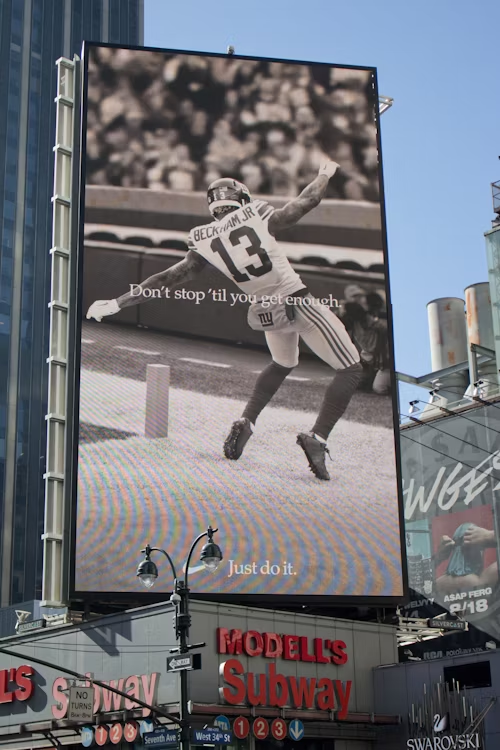
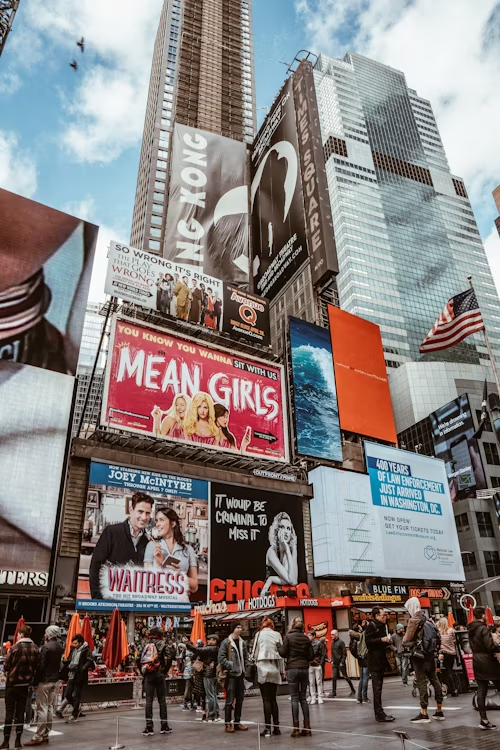
Digital out‑of‑home (DOOH) media has become an integral part of modern marketing stacks. Unlike traditional billboards, digital billboards can change messages on the fly based on time of day, weather, or audience demographics. The result is higher relevance and greater engagement.
The core benefit of DOOH media buying lies in its flexibility: you pay for impressions, not just placement. This model aligns cost with reach, making it easier to justify spend against campaign goals.
In my experience, brands that treat DOOH as a dynamic channel rather than a static billboard see higher conversion rates because they can test multiple creative variations quickly and respond to audience insights in real time.
Key Advantages of Digital Billboards
- Real‑time content updates
- Targeted messaging based on geofencing
- Measurable impressions via analytics platforms
- Higher engagement than traditional billboards
The future of DOOH is not just about larger screens but smarter integration with mobile and social media. By synchronizing digital billboard content with other channels, brands can create a seamless customer journey.
For example, a coffee shop might display a “morning brew” promotion during rush hour while simultaneously pushing the same offer to nearby users’ mobile devices through an app notification. This cross‑channel consistency reinforces brand recall and boosts lift.
2. The Role of Billboard Rental Platforms
A billboard rental platform acts as the intermediary between advertisers and physical locations. It aggregates inventory across multiple cities, allowing you to book space from a single dashboard.
When choosing a platform, look for features such as real‑time availability, automated billing, and support for dynamic content uploads. The ability to schedule campaigns in advance and adjust on the fly is essential for maximizing ROI.
In my experience, platforms that provide detailed audience data—such as traffic counts, dwell time, and demographic profiles—enable more precise targeting and better budget allocation.
What Makes a Reliable Billboard Rental Platform
- Comprehensive inventory across key markets
- Support for multiple file formats (HTML5, video, image)
- API access for automated campaign management
- Transparent pricing and real‑time reporting
- 24/7 customer support and technical assistance
Choosing the right platform can reduce administrative overhead and ensure your creative assets reach the intended audience at the optimal time.
Many platforms now offer “campaign builder” tools that guide you through asset upload, scheduling, and budget allocation. These tools often include pre‑built templates for common ad formats, which can speed up the setup process without compromising creativity.
For instance, a mid‑size retailer might use a builder to create a rotating series of product showcases across several highway locations, automatically adjusting frequency based on peak traffic hours. The platform’s analytics then flag underperforming spots so you can reallocate spend in real time, keeping the campaign lean and effective.
3. Essential Elements of Dynamic Billboard Content
Dynamic billboard content is powerful only when it adapts to context. Start with a clear objective: brand awareness, lead generation, or event promotion. Each goal requires different messaging strategies.
Use data feeds—weather APIs, traffic alerts, social media trends—to trigger content changes. For example, a winter apparel brand can display snow‑related offers when local temperatures drop below 30°F.
In my experience, the most successful campaigns pair dynamic creative with contextual triggers, resulting in higher click‑through rates from nearby mobile devices.
Components of Effective Dynamic Content
- Time‑based scheduling (morning, afternoon, evening)
- Geofencing to target specific traffic corridors
- Weather and event overlays
- QR codes or NFC tags for mobile interaction
- Analytics integration for real‑time feedback
Keep the visual hierarchy simple; drivers only have seconds to absorb the message. Bold headlines, clear calls to action, and high‑contrast colors improve readability from a distance.
When creating dynamic assets, it’s important to test them on multiple screen sizes—from a 32‑inch tablet to a 120‑inch LED wall—to ensure legibility and visual impact remain consistent across devices. A small pixel density or color shift can drastically reduce comprehension for drivers passing by at high speed.
To further enhance engagement, consider adding subtle motion—such as a scrolling ticker for time‑sensitive promotions—or interactive elements that prompt users to scan a QR code for a coupon. These tactics transform a passive billboard into an active touchpoint in the customer journey.
Beyond static QR codes, some campaigns embed short video loops that animate the call‑to‑action itself, encouraging viewers to pause and interact. By combining motion with instant mobile response options, you create a feedback loop where each scan informs subsequent content iterations.
4. Leveraging Design Services for Impactful Ads
Billboard design services specialize in creating visuals that translate well on large screens. They understand the technical constraints—resolution, frame rates, and file size limits—that can affect performance.
When working with designers, provide them with the platform’s specifications and your dynamic content strategy. This ensures assets render correctly across all devices.
In my experience, collaborating closely with design teams early in the process reduces revisions and speeds up deployment.
Checklist for Billboard Design Services
- Resolution: 1920x1080 or higher for large formats
- File format: HTML5, MP4, or PNG sequences
- Color profile: sRGB or P3 depending on display
- Animation timing: 2–4 seconds per frame for readability
- Accessibility: sufficient contrast and legible typography
Investing in professional design services pays off when the creative resonates with the audience and aligns with your brand identity.
A practical workflow begins with a brief that outlines campaign objectives, target demographics, and desired call‑to‑action. Designers then produce low‑fidelity mockups for approval before moving to high‑resolution production. Throughout this process, version control—using cloud storage or design collaboration tools—ensures everyone stays on the same page.
After finalizing assets, run a “dry‑run” by uploading them to a test screen (many platforms provide a preview mode). This step catches any display glitches such as missing frames or color bleed before the campaign goes live.
During the dry‑run, it’s also useful to simulate environmental variables—like glare from passing headlights—to verify that key elements remain visible under varied lighting conditions. By addressing these nuances early, you protect against costly on‑site corrections later in the rollout.
5. Measuring Success: Metrics and Optimization
The value of digital billboards lies in data. Key metrics include impressions, dwell time, click‑through rates (via QR or NFC), and conversion tracking through unique URLs.
Use the platform’s analytics dashboard to monitor real‑time performance. If a creative is underperforming, swap it within minutes—something impossible with static billboards.
In my experience, continuous A/B testing on dynamic content leads to incremental lift in engagement and cost per acquisition.
Performance Metrics to Track
- Impressions per hour
- Dwell time (seconds)
- QR/NFC scan rate
- Unique URL visits from billboard traffic
- Conversion events tied back to the campaign
Set clear KPIs before launching and review them weekly. Adjust budgets, creative elements, or placement based on data‑driven insights.
To capture conversions accurately, embed UTM parameters in URLs that link to your landing pages. These tags allow you to trace a scan back to the billboard source in Google Analytics or a custom dashboard. When paired with a unique QR code for each location, you can attribute traffic and sales directly to the DOOH effort.
When running A/B tests, schedule variations across distinct time blocks—such as morning versus evening—to isolate the effect of context. Rotate creatives every 48 hours to keep content fresh while gathering enough data for statistical significance.
In addition to click‑based metrics, some platforms now provide sensor‑driven dwell time estimates by measuring how long a vehicle or pedestrian lingers within a defined radius. Integrating these signals into your reporting pipeline can reveal subtle shifts in audience attention that traditional impression counts miss.
6. What to Expect in 2026
The next few years will see increased integration of AI for predictive content scheduling. Platforms will offer machine‑learning models that suggest optimal times and messages based on historical performance.
Hardware improvements—such as energy‑efficient OLED panels—will reduce operating costs and enable higher quality visuals, including HDR and 4K displays.
In my experience, brands that adopt AI‑powered tools early gain a competitive edge by delivering hyper‑personalized content at scale.
Emerging Trends in Digital Billboard Advertising
- AI‑driven content optimization
- Edge computing for faster content updates
- Integration with 5G for real‑time data feeds
- Sustainability focus: low‑power displays and recyclable materials
- Cross‑channel attribution models linking DOOH to digital campaigns
Staying ahead requires continuous learning and experimentation. As the technology evolves, so too will best practices for maximizing impact.
Regulatory developments around data privacy are also shaping the industry. While DOOH is generally considered public space advertising, some jurisdictions are tightening rules on location‑based targeting. Brands should stay informed about local regulations to avoid potential compliance issues.
A practical approach is to maintain a centralized repository of regional policies and regularly audit your targeting parameters against them. By proactively aligning creative triggers with legal boundaries, you protect both brand reputation and campaign continuity.
The most valuable lesson from years of DOOH media buying is that dynamic content coupled with precise targeting delivers the highest ROI—provided you have a reliable billboard rental platform and professional design support. What metrics do you prioritize when evaluating the success of your digital billboard campaigns, and how do you adjust creative strategy based on those insights?