How Can I Choose Cost‑Effective Billboard Ads for Urban Marketing?
I’ve spent the last decade building and scaling businesses, but when it comes to advertising, I still find myself asking: which billboard strategy delivers the highest ROI without blowing my budget? In this piece I’ll break down the basics of outdoor advertising, compare traditional and digital billboards, explain how to target urban audiences effectively, highlight the latest innovative solutions, and show you how to pick a reliable network and design partner that will actually move people.
Beyond the sheer visibility of a billboard lies a complex ecosystem of technology, data, and creative storytelling. In 2026, brands are no longer just buying space—they’re investing in experiences that can adapt in real time, engage passersby through mobile devices, and generate measurable insights that feed back into their broader marketing strategy.
The Basics of Outdoor Advertising
Outdoor advertising is still one of the most tangible ways to reach high‑traffic populations. Billboards—whether static or digital—occupy prime real estate on highways, city boulevards, transit hubs, and even building facades. In 2026 the market for billboard advertising in North America exceeds $15 billion annually, with digital formats accounting for roughly two‑thirds of that spend.
When I first launched my first product line in 2008, I chose a simple static billboard on a suburban main street because it was cheap and visible. That experience taught me the importance of understanding the different types of billboards before investing:
Common Billboard Formats
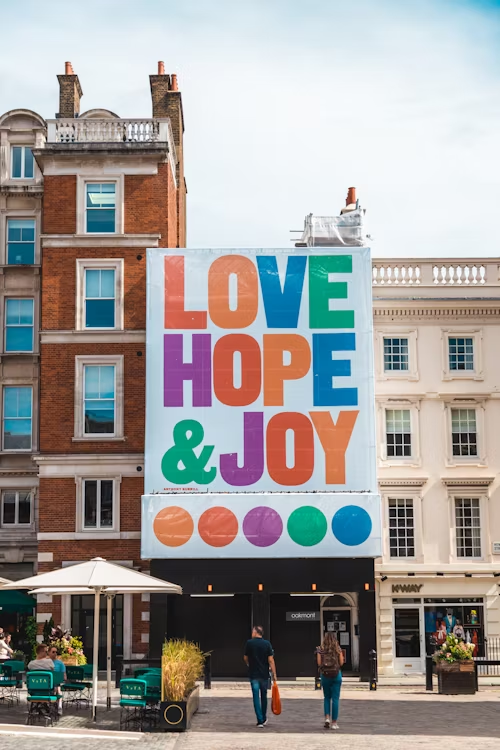
- Traditional (paper‑mounted) billboards – low cost, limited updates; ideal for long‑term messages or seasonal campaigns.
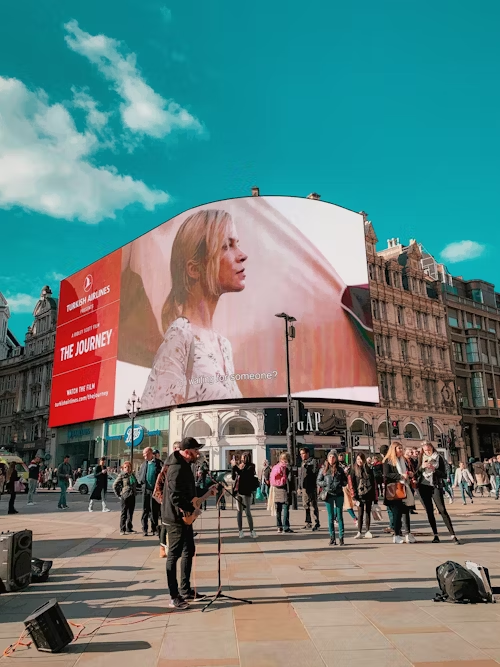
- Digital LED billboards – high reach with real‑time content changes; best for time‑sensitive offers or dynamic storytelling.
- Transit and curbside displays – smaller footprint, captive audiences on buses, subways, and bus stops; great for hyper‑local targeting.
- Interactive/AR billboards – emerging tech that invites engagement via mobile apps; excellent for brand activation and data capture.
The key takeaway is that the format you choose directly influences both cost and creative flexibility. For budget‑conscious campaigns, a hybrid approach—combining a few high‑impact digital spots with strategically placed static billboards—often delivers the best balance.
Cost‑Effective Billboard Ads for Your Budget
Billboard advertising can feel like a black hole: you pay a large upfront fee and hope the ROI comes in later. In practice, the most cost‑effective ads are those that align with clear business objectives and measured metrics.
I’ve seen small brands spend $3,000 on a week‑long digital billboard and see a 12% lift in local foot traffic. That’s a tangible return compared to a $10,000 print campaign that never tracks engagement.
Factors That Drive Cost Efficiency
- Location density – high‑traffic corridors command higher rates but deliver more impressions.
- Duration of placement – longer runs reduce the per‑day cost and often unlock bulk discounts.
- Creative refresh frequency – dynamic content can justify premium rates by boosting recall and reducing ad fatigue.
- Bundled packages – many vendors offer multi‑site discounts if you buy a network package, which also simplifies reporting.
A practical rule of thumb is to tie your spend to an expected lift metric. For example, if a $3,000 billboard should drive 300 additional visitors over its run, the cost per visitor is $10—an investment that can be compared directly against other channels like paid search or local radio.
By focusing on these levers, I’ve consistently kept billboard spend below 5% of my total marketing budget while still achieving measurable lift in brand awareness and sales.
Urban Billboard Marketing: Location & Targeting
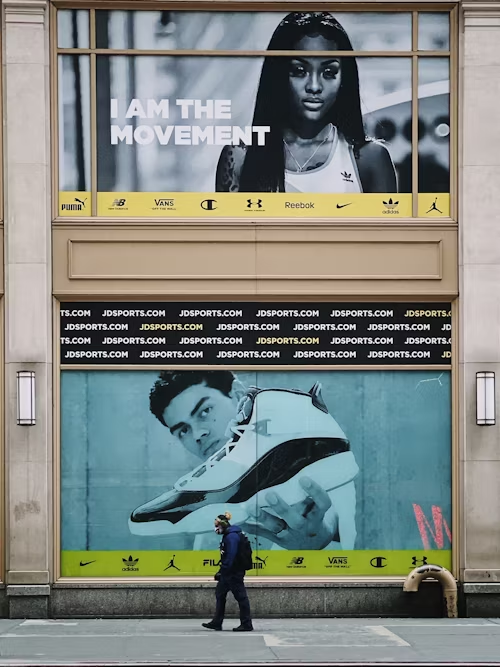
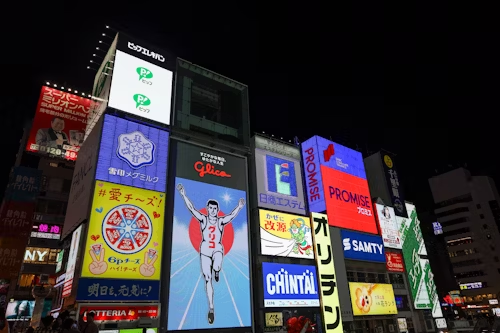
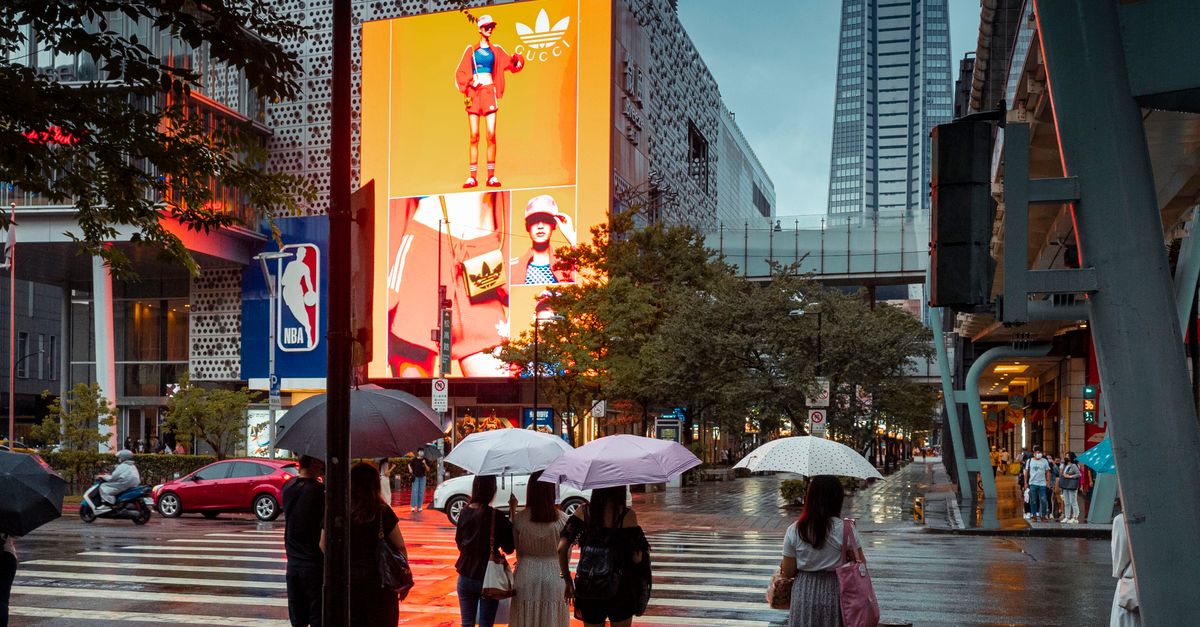
In an urban environment, the audience is fragmented by neighborhoods, transit lines, and business districts. A billboard that sits on a quiet side street will rarely replace a strategically placed digital display in Times Square.
The first step is to define your target demographic—age, income, lifestyle—and then map where they spend their time. Tools like Google Maps traffic layers, local transit ridership data, and census demographics can help pinpoint high‑value zones.
Urban Targeting Checklist
- Identify primary commute routes for your audience. Map the most common paths from residential areas to workplaces or entertainment venues.
- Analyze footfall at nearby retail or entertainment venues. High‑traffic cafés, movie theaters, and shopping centers often double as natural billboard audiences.
- Check proximity to complementary businesses. A billboard for a craft brewery near a popular bar can create synergy and boost local relevance.
- Use geofencing data if you plan to combine outdoor with mobile retargeting. This allows you to serve a tailored digital ad after a passerby has seen the physical sign.
Once the hotspots are identified, negotiate placement that maximizes exposure while staying within budget. I’ve found that partnering with a local network often gives access to premium spots at a fraction of the cost of buying directly from major suppliers.
Innovative Billboard Solutions in 2026
The billboard industry has evolved beyond static signs. Today’s most effective solutions combine technology, data, and creativity to create dynamic, context‑aware campaigns.
When I experimented with an AI‑driven content scheduler for a client last year, the billboard displayed different messages based on weather, time of day, and even local events—boosting engagement by 18% compared to a static ad.
Key Features of Modern Billboard Platforms
- Real‑time content updates via cloud APIs. Enables instant adaptation to breaking news or flash sales.
- Weather and traffic integration for contextual messaging. For instance, a coffee shop can promote hot drinks when a cold front hits the area.
- Video playback with low latency on high‑resolution LED panels. Allows smooth storytelling without buffering delays.
- Augmented reality overlays that users can interact with through a mobile app. Gamified experiences or 3D product demos increase dwell time.
- Analytics dashboards tracking impressions, dwell time, and conversion triggers. Provides actionable data for future creative iterations.
The advantage of these solutions is twofold: they keep your creative fresh without incurring additional printing costs, and they provide measurable data to justify the spend. For brands that need to iterate quickly—especially in fast‑moving markets—investing in a digital billboard platform pays for itself over time.
Choosing a Reliable Outdoor Advertising Network & Design Services
A single billboard can be powerful, but an integrated network amplifies reach and provides negotiating leverage. When selecting a partner, I look for three core attributes: inventory breadth, transparency in pricing, and creative support.
Many networks now offer “full‑service” packages that include design consultation, content management, and performance reporting—all of which reduce friction for busy marketers.
What to Ask When Vetting a Network
- How many active sites do you own or manage in my target city? More inventory typically means more strategic options.
- Can I see case studies showing ROI from comparable brands? Real-world evidence builds confidence.
- Is the pricing model based on impressions, duration, or a flat fee? Understand how costs scale with reach.
- What creative services are included (copywriting, graphics, video production)? Full-service packages can reduce external spend.
- Do you provide real‑time analytics and post‑campaign reporting? Data transparency is essential for optimization.
- How flexible is the contract regarding content changes or early termination? Flexibility protects against shifting market conditions.
For design services, I follow a strict checklist to ensure the final ad is not only visually striking but also compliant with local regulations and optimized for quick readability from a moving vehicle:
Billboard Design Checklist
- Headline < 5 words – high‑contrast color palette.
- Large, legible typography – minimum 36 pt.
- Single focal point with clear call‑to‑action.
- Limited text; use symbols or icons for quick comprehension.
- Proofread for errors—one typo can damage credibility.
By combining a reputable network with a disciplined design process, I’ve consistently achieved high recall rates and measurable traffic lift without exceeding budget constraints.
The most cost‑effective billboard strategy is one that blends strategic location, dynamic content technology, and a transparent partner who can deliver both inventory and creative excellence.What urban billboard placement has delivered the highest return on investment for your business, and why?