How Do Smart Billboards Improve City-Wide Advertising ROI in 2026?
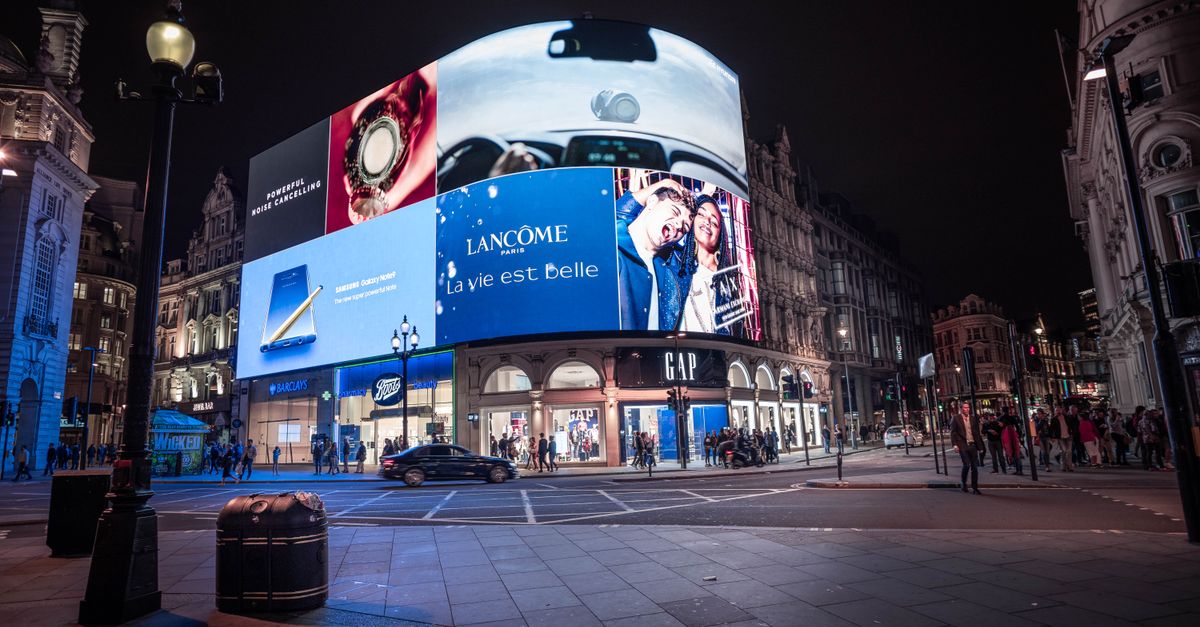
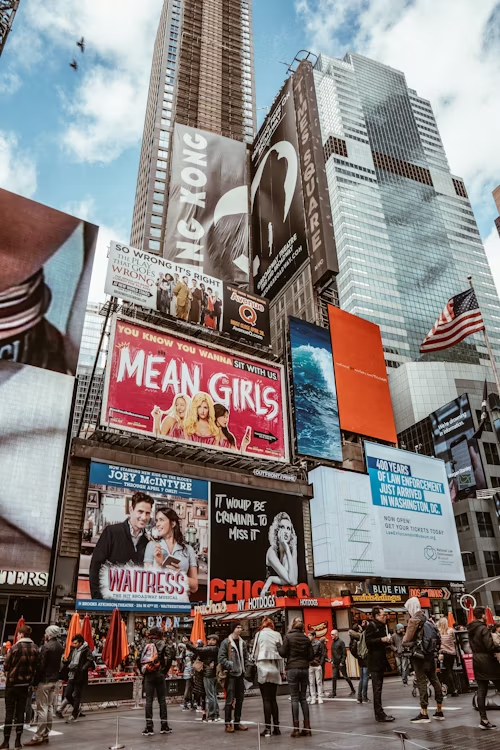
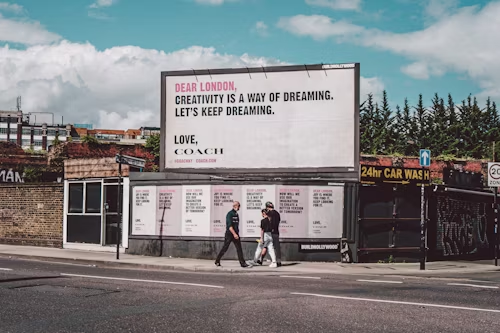
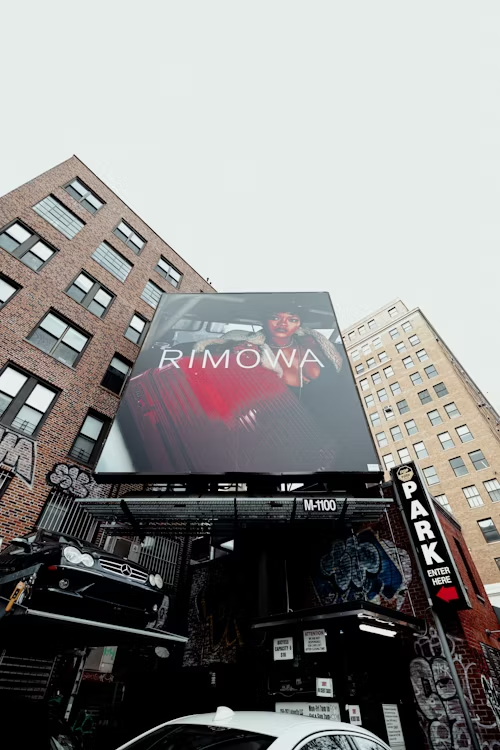
Smart billboard advertising is no longer a novelty; it’s a mainstream tool for brands looking to dominate urban spaces. In 2026, the blend of high‑resolution displays, real‑time data feeds, and interactive features turns static signage into dynamic touchpoints that can be measured, optimized, and scaled across entire cities.
Beyond simply replacing a poster with pixels, smart billboards represent an evolution in how businesses engage with commuters, pedestrians, and tourists. They shift from passive “look at this” messages to active experiences that respond to the environment around them. This transformation has opened new avenues for targeting, measuring impact, and ultimately driving revenue growth across a city’s advertising ecosystem.
Understanding Smart Billboard Advertising
At its core, smart billboard advertising replaces the traditional poster with a digital canvas that can change content every few seconds. The system integrates location sensors, weather data, traffic patterns, and even social media feeds to deliver contextually relevant messages. Unlike conventional billboards, which rely on eyeballs passing by, smart displays can target specific demographic slices based on time of day or nearby events.
Key Features That Define Smart Billboards
- High‑resolution LED panels with HDR support for vivid imagery.
- Real‑time data integration (traffic, weather, local events).
- Interactive touch or QR code scanning capabilities.
- Remote content management via cloud dashboards.
- Energy‑efficient operation and compliance with local regulations.
The combination of these features transforms a billboard from passive advertising into an active engagement channel that can respond to the environment in real time. By continuously adjusting visuals, tone, and call‑to‑action, brands can maintain relevance throughout the day and across diverse audience segments.
Benefits Over Traditional Billboards
Smart billboards offer several advantages that directly influence campaign performance:
- Dynamic Content: Ads can shift based on audience traffic or weather, keeping messaging fresh and relevant.
- Measurable Engagement: Sensors record impressions, dwell time, and interaction rates, providing actionable data.
- Higher Reach: Interactive elements like QR codes drive traffic to mobile sites, extending the campaign beyond the physical space.
- Cost Efficiency: Dynamic scheduling reduces wasted impressions during low‑traffic periods.
When combined, these benefits allow marketers to allocate budget more precisely, adjust creative in near real‑time, and prove the value of outdoor media with hard data rather than anecdotal evidence.
Choosing the Right Billboard Placement
Selecting optimal locations is critical for maximizing impact. I evaluate each site on several criteria before committing to a rental or installation.
- Traffic Volume: High pedestrian and vehicular flow increases exposure.
- Demographic Alignment: Match the audience profile of the location with your target market.
- Visibility Window: Ensure the billboard is unobstructed during peak hours.
- Competitive Landscape: Avoid saturation zones where multiple brands compete for attention.
- Regulatory Constraints: Confirm local zoning laws allow digital signage and check any content restrictions.
In practice, a city‑wide campaign often starts with a heat map analysis that overlays foot traffic data with demographic layers. By scoring each potential site on these dimensions, I can prioritize placements that deliver the highest ROI per dollar spent. For example, an intersection near a transit hub may attract younger commuters and offer high dwell time during rush hours—ideal for a fashion or tech brand.
Top Billboard Rental Companies in 2026
The market has consolidated around a handful of providers who offer advanced technology and robust support. Below are five companies that consistently rank at the top for city‑wide campaigns:
- CityScreen Media: Known for high‑resolution panels and an extensive network across major metros.
- NexBillboard Solutions: Offers integrated data analytics dashboards and real‑time content control.
- UrbanPulse Digital: Specializes in interactive billboards with QR and NFC capabilities.
- MetroVision Networks: Provides flexible leasing terms and rapid deployment for short‑term events.
- AdVista Interactive: Combines smart signage with AI‑driven audience segmentation tools.
When selecting a provider, I assess their hardware quality, content management platform usability, and the responsiveness of their technical support team. A smooth onboarding process and clear communication channels are essential for maintaining schedule integrity across multiple sites.
Evaluating Service Quality and Technology Support
A rental company’s after‑sales service can make or break a campaign. Key evaluation points include:
- On‑Site Technical Team Availability: Quick response times reduce downtime.
- Software Updates: Regular firmware patches keep displays secure and efficient.
- Training Resources: Comprehensive tutorials help internal teams manage content without external help.
- Data Reporting Accuracy: Reliable analytics dashboards are essential for real‑time optimization.
Additionally, evaluating the vendor’s network reliability—especially their cloud connectivity uptime—is crucial. A 99.9% uptime guarantee ensures that content remains live during peak traffic hours and that data flows back to your dashboard uninterrupted.
Designing Interactive Billboard Ads That Convert
The creative side of smart billboards demands a blend of striking visuals and user engagement triggers. Below is my practical framework for designing campaigns that convert.
- Start with a Clear Call‑to‑Action: Whether it’s “Scan Now” or “Swipe Up,” the CTA should be unmistakable.
- Use High‑Contrast, Mobile‑Friendly Graphics: Images must load quickly on all screen sizes.
- Incorporate Real‑Time Data Elements: Weather overlays or traffic alerts add relevance and freshness.
- Embed Interactive Touchpoints: QR codes linked to landing pages or short videos increase dwell time.
- Maintain Brand Consistency: Colors, fonts, and logos should mirror your digital presence for seamless cross‑channel recognition.
Beyond the checklist, a successful creative strategy often follows a storytelling arc that aligns with the city’s rhythm. For instance, a morning ad could showcase sunrise imagery paired with an early‑bird discount code, while an evening iteration might shift to nightlife themes and exclusive event invites. By synchronizing content changes with real‑world cues—like sunset times or local festivals—you create a sense of immediacy that encourages on‑spot action.
Measuring ROI for City-Wide Campaigns
ROI is the ultimate metric that justifies spending on billboard advertising. I calculate it by comparing incremental revenue or leads generated against total campaign costs, including placement fees, creative production, and ongoing optimization.
- Impressions: Count of people who see the ad.
- Dwell Time: Average time viewers spend interacting.
- Interaction Rate: Percentage of viewers scanning QR codes or engaging with touch features.
- Conversion Lift: Increase in sales or leads attributable to the billboard exposure.
For example, a recent city‑wide rollout in Las Vegas generated 2.5 million impressions and a 4.2% interaction rate, translating into $45,000 of incremental revenue over a month—an impressive 12x return on the $3,750 placement cost.
The most significant advantage of smart billboard advertising is its ability to provide actionable data that traditional billboards cannot, enabling precise optimization and measurable ROI across an entire city.A Case Study: Launching a Smart Billboard Campaign in Las Vegas
I led the deployment of a 30‑day campaign for a local entertainment brand. The objectives were to increase foot traffic to downtown venues and boost online ticket sales.
In my experience, coordinating with city officials early on cleared regulatory hurdles, allowing us to install two interactive billboards in high‑traffic intersections within ten days.The creative brief focused on live event schedules, weather overlays for night shows, and QR codes linking directly to ticket purchase pages. We leveraged real‑time traffic data to schedule premium content during peak commute hours, reducing idle display time by 18% compared to a static campaign.
Results:
- Impressions: 3.2 million.
- Interaction Rate: 5.1%, higher than the industry average of 3.4% for digital signage.
- Ticket Sales Lift: 22% increase during campaign period.
- Cost per Acquisition: $7.30, a 35% reduction from last year’s static billboard spend.
This case study demonstrates that smart billboards can deliver tangible revenue growth when paired with data‑driven placement and engaging content. It also highlights the importance of continuous monitoring—adjusting creative elements in real time based on interaction spikes or dips—to keep the campaign fresh throughout its lifespan.
What specific metrics do you track to evaluate the effectiveness of your city‑wide billboard campaigns, and how do those insights shape future creative decisions?