How Does Mobile Billboard Advertising Compare to Traditional Billboards in 2026?
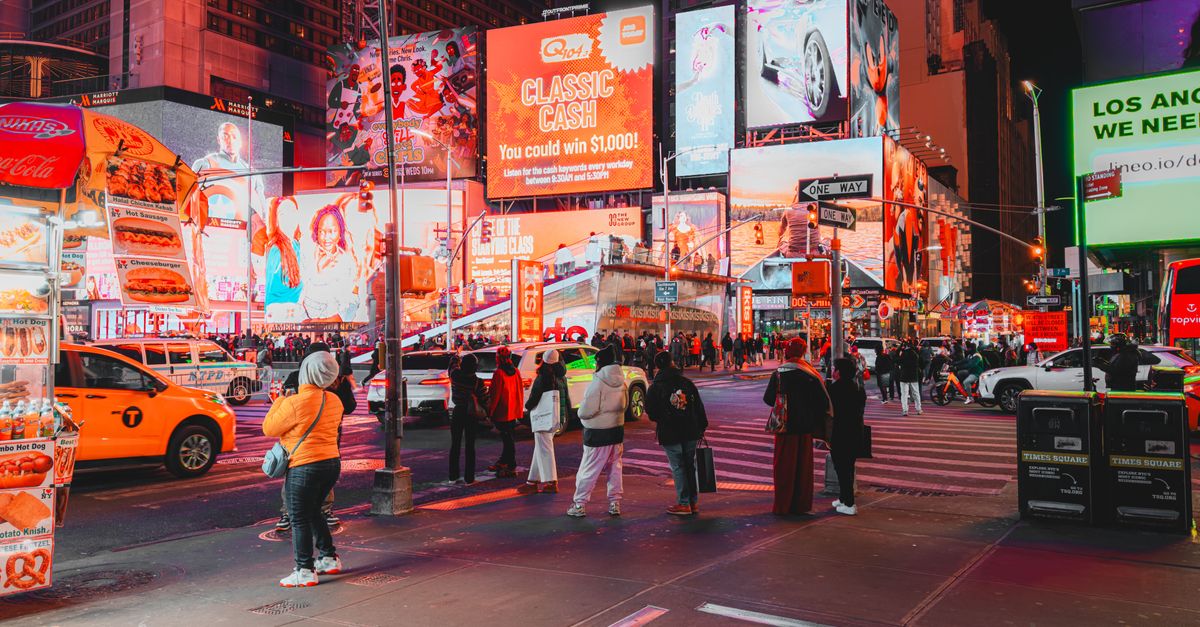
Brands continually seek ways to capture attention on the move. Mobile billboard advertising offers a dynamic alternative to static outdoor signage, but many marketers still wonder how it stacks up against conventional billboards in reach, cost, and creative flexibility. This article breaks down key differences, pricing models, exposure metrics, and design considerations so you can decide if a mobile campaign will deliver better results for your brand.
1. What Is Mobile Billboard Advertising?
Mobile billboard advertising uses large digital or analog displays mounted on trailers, trucks, buses, or other vehicles that move along predetermined routes. Unlike fixed billboards, mobile units expose a brand to multiple audiences across neighborhoods, events, and high‑traffic corridors. Typical platforms include commercial delivery trucks, advertising vans, and dedicated “billboard on wheels” trailers that can park at key intersections for extended periods. Because the vehicle can change its route or schedule, brands enjoy adaptability that static signs cannot match—shifting traffic, weather, or marketing priorities in real time.
2. Traditional vs Mobile Billboards: Exposure Metrics
The core advantage of mobile billboards is reaching diverse demographics by moving between locations. While traditional signs rely on VMT and impressions per spot, mobile units accumulate exposure through route length, dwell time at high‑traffic intersections, and audience overlap across routes.
Key Exposure Metrics for Mobile Billboards
- Vehicle Miles Traveled (VMT)
- Route Density & Frequency
- Dwell Time at High‑Traffic Intersections
- Audience Overlap Across Multiple Routes
- Time of Day & Seasonal Traffic Patterns
A well‑planned rush‑hour route can generate roughly 30% more impressions than a static sign in the same area. Comparing impression per mile, a stationary sign receives a set number of impressions from passing traffic, whereas a mobile unit can double or triple that figure by traversing several corridors daily.
Mobile billboards also capture “cross‑audience” exposure: viewers who see the ad in one neighborhood may encounter it again elsewhere, reinforcing recall and creating ubiquity that static signage rarely achieves.
3. Designing for Mobility: Key Billboard Design Services
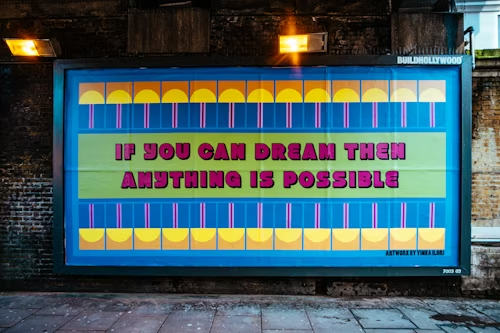
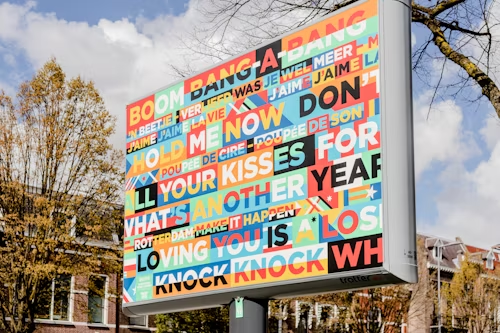
Designing for mobile platforms demands legibility from varying distances and angles, resilience to lighting changes, and rapid communication. The most effective designs use high‑contrast colors, bold typography, and minimal text. A concise headline plus a single visual cue captures attention in seconds.
The most effective mobile billboard designs use high‑contrast colors, bold typography, and minimal text to ensure readability within seconds.Bright daylight favors primary colors; evening works better with white on dark backgrounds. Testing on mock‑ups or digital previews identifies legibility issues before final print. Adding a large QR code enables measurable attribution and real‑time engagement.
4. Digital Out‑of‑Home (DOOH) Media Buying Strategies
Integrating digital tech turns mobile billboards into DOOH assets, allowing real‑time bidding and dynamic content. A successful DOOH strategy includes:
DOOH Media Buying Checklist
- Select a reputable network with verified traffic data
- Define target audience demographics and geographic reach
- Set campaign duration and frequency caps
- Negotiate real‑time bidding options for peak hours
- Implement tracking pixels or QR codes for conversion measurement
Leveraging a DOOH platform that offers ZIP‑code segmentation can reduce wasteful impressions by up to 25%. Dynamic content lets brands tailor messages based on time of day or weather—displaying cooler apparel during heat waves and winter gear as temperatures drop. Real‑time adjustments allow marketers to pause underperforming creatives and replace them within minutes.
5. Cost Breakdown: Billboard Ad Pricing Factors
Mobile billboard pricing covers base rental, route planning, graphic production, digital overlay fees, and installation/maintenance. Typical costs in a metro area range $4,000–$10,000/month depending on route complexity. In contrast, a fixed sign can cost as little as $1,500–$3,000/month but lacks the cumulative reach of a mobile unit.
- Base Rental: Fixed monthly fee per vehicle
- Route Planning: Additional cost for complex or high‑traffic routes
- Graphic Production: Custom design and printing of large‑format displays
- Digital Overlay: Licensing fees for DOOH content management systems
- Installation & Maintenance: One‑time fee for mounting and periodic upkeep
Tiered pricing models let you select standard or premium routes based on intersection visibility and foot traffic.
6. Measuring ROI with Exposure Metrics
Justifying the investment requires tracking impressions via VMT + dwell time and using QR codes, short URLs, or promo codes for attribution. Key KPIs include:
ROI Measurement KPIs
- Impressions (estimated via VMT + dwell time)
- Scan Rate of QR Codes
- Redirection Traffic to Landing Pages
- Conversion Rate from Promo Code Usage
- Incremental Sales Attributed to the Campaign
Combining these metrics with post‑campaign surveys gives context to raw numbers. Cross‑channel attribution—linking scans to in‑store or e‑commerce data—closes the advertising funnel.
7. Common Mistakes in Mobile Billboard Campaigns
- Overloading design with text or graphics
- Choosing routes that bypass high‑density traffic areas
- Failing to account for weather or lighting during production
- Neglecting to test digital content across devices
- Ignoring local regulations on mobile advertising permits
A simple “one‑sentence headline” often resonates better than an elaborate slogan when viewers see the ad in motion. Scheduling during peak traffic or major events maximizes exposure; launching during low‑traffic periods drastically reduces impact.
8. Choosing the Right Network and Route Planning
Select a network with verified traffic data and route‑planning software that optimizes paths for audience overlap while minimizing fuel costs. Key considerations include:
Network & Route Decision Factors
- Traffic Volume and Peak Times
- Geographic Coverage of the Network
- Route Flexibility for Seasonal Campaigns
- Cost per Mile vs. Cost per Impression
- Availability of Real‑Time Traffic Data Integration
Ask whether the network offers GPS logs and post‑campaign reporting. Some providers supply route optimization based on congestion data, which is invaluable during peak hours.
9. Creative Best Practices for Mobile Ads
- Use large, bold typefaces readable at 20–30 mph speeds.
- Avoid flicker on digital displays.
- Include a clear CTA like “Scan Now.”
- Test colors against daylight, dawn, dusk, and nighttime.
- Rotate creatives weekly to reduce fatigue.
Keep text under 25 words; visual storytelling or animated loops convey concepts quickly. Digital mobiles can add subtle motion cues—moving arrows or flashing indicators—updated through DOOH without new print runs.
10. Future Trends in Mobile Billboard Advertising
- Predictive Routing: AI models forecast traffic patterns to adjust routes in real time.
- Personalized Content: Location‑based targeting delivers tailored messages to passing audiences.
- Battery‑Optimized Displays: LED tech reduces power consumption, extending vehicle range.
- Integrated Data Analytics: Real‑time dashboards track engagement and adjust campaigns on the fly.
Brands using AI routing can prioritize high‑foot‑traffic neighborhoods while pushing QR offers to nearby smartphone users. Battery‑optimized displays let vehicles travel longer without stops, increasing impressions per day. As 5G coverage expands, advertisers enjoy faster data transfer speeds for smoother creative transitions.
What challenges have you faced when integrating mobile billboard advertising into your media mix, and how did you address them?