How Should I Choose the Best Billboard for Outdoor Ad Placement in 2026?
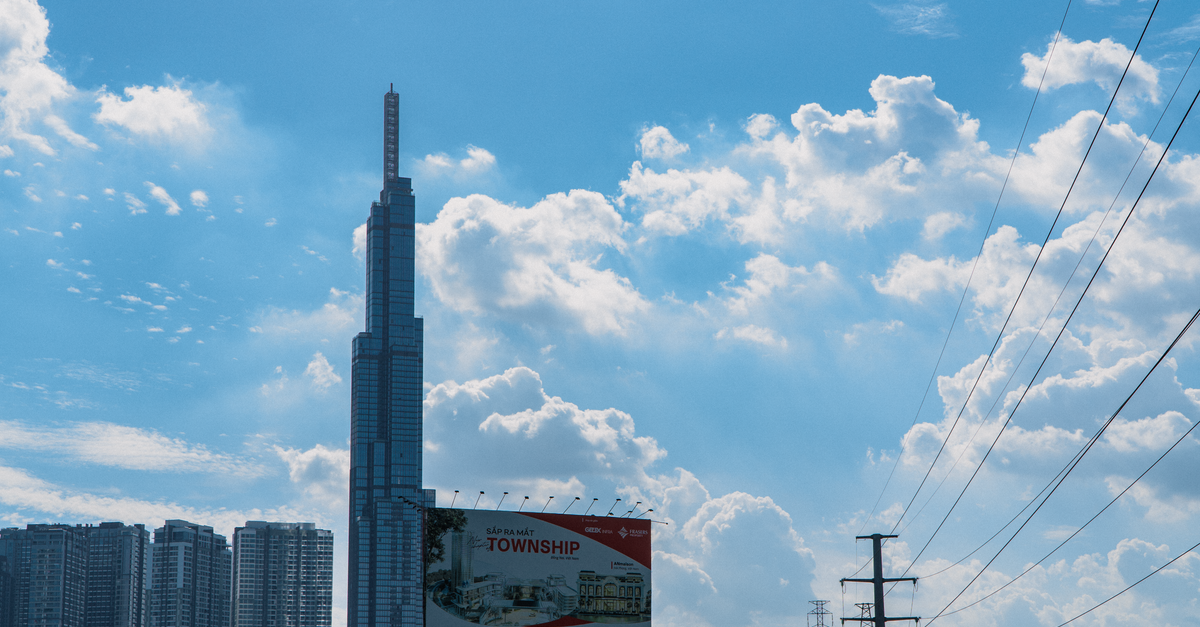
When planning a billboard campaign, the first decision is where to place your ad. In 2026, outdoor advertising still commands attention, but the market has evolved with dynamic content and sponsorship options. I’ll walk through the key factors that shape effective outdoor ad placement, explain how to conduct a billboard impact analysis, compare static versus dynamic billboards, outline common sponsorship models, and give you a practical checklist for selecting a billboard advertising agency.
1. Define Your Campaign Objectives
Before I even look at a billboard map, I ask myself what the campaign is meant to do: build brand awareness, drive traffic to a store, or promote a limited‑time offer? The answer dictates the type of placement and content you’ll need.
- Brand Awareness – High‑traffic corridors with large screens.
- Direct Response – Locations near target demographics’ daily routes.
- Event Promotion – Temporary spots close to event venues.
Aligning objectives early prevents wasted spend on a billboard that can’t deliver the metrics you care about.
2. Understand Your Target Audience’s Movement Patterns
In my experience, mapping foot traffic and vehicle flow with GPS data turns guesswork into science.A good billboard advertising agency will provide audience insights—vehicle counts, dwell time, and demographic overlays. For instance, if you’re targeting college students, a campus entrance or highway exit near a university can be more valuable than a suburban mall.
Audience‑Driven Placement Checklist
- Gather traffic volume data for candidate sites.
- Identify peak hours that match your campaign timing.
- Cross‑reference demographic filters (age, income, interests).
- Select locations with the highest overlap between traffic and target profile.
This data-driven approach ensures you’re not paying premium rates for a billboard that few of your customers ever see.
3. Evaluate Static vs. Dynamic Billboard Content
The technology shift to dynamic billboards offers flexibility but also new costs and regulatory considerations.
- Static Billboards – Fixed image or message; lower cost, simpler installation.
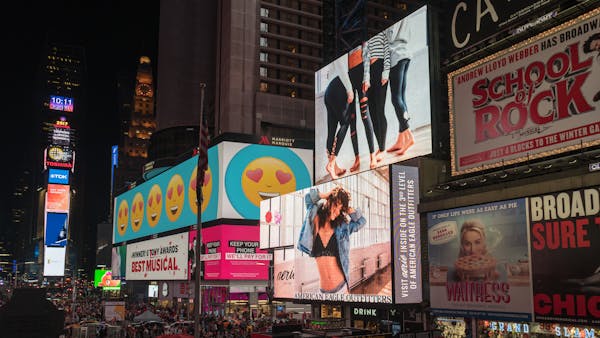
- Dynamic (Digital) Billboards – LED panels that can change content every few seconds.
Dynamic billboards allow real‑time updates for weather‑based messaging, event countdowns, or social media integration. However, they require a reliable power supply and may face stricter city ordinances on brightness and motion.
When to Choose Each Type
- Static: Long‑term brand slogans, simple offers, lower budget campaigns.
- Dynamic: Time‑sensitive promotions, high‑traffic urban centers, multi‑product lines.
Your decision should align with the campaign’s duration and your ability to manage content updates.
4. Perform a Billboard Impact Analysis
The key metric for outdoor ad placement is reach per dollar spent.A billboard impact analysis compares expected impressions against cost, factoring in traffic volume, geographic relevance, and creative effectiveness. Most agencies provide a standardized formula:
Impressions = (Vehicle Count × Average Dwell Time) / 60 ÷ 3
The divisor “3” represents the average number of people who notice a billboard during a single pass. Adjusting for brand recall and conversion rates gives you an ROI estimate.
Impact Analysis Steps
- Collect traffic data for each site.
- Estimate dwell time (typically 5–10 seconds).
- Apply the formula to calculate impressions.
- Multiply by your estimated conversion rate to get potential sales.
- Compare against cost per billboard and total spend.
Repeat this for a shortlist of locations, then rank them by ROI.
5. Consider Billboard Sponsorship Models
Sponsorships can reduce upfront costs but come with brand alignment requirements. Common models include:
- Co‑branding: Two brands share the same billboard space for a negotiated fee.
- Time‑share: You pay only during specific hours of the day.
- Event sponsorship: A billboard is dedicated to a particular event, often with exclusive rights.
When exploring sponsorships, verify that the partner’s brand values align with yours. Misaligned imagery can dilute your message and risk customer alienation.
Benefits & Risks of Sponsorships
- Pros: Lower cost, shared maintenance, increased exposure through partner networks.
- Cons: Loss of creative control, potential brand conflict, limited exclusivity.
A careful assessment of the sponsor’s audience and reputation is essential before signing a deal.
6. Choose the Right Billboard Advertising Agency
Your agency should act as both strategist and vendor manager. Look for these capabilities:
- Comprehensive inventory access across multiple markets.
- Data‑driven placement recommendations.
- Creative support for static and dynamic formats.
- Transparent pricing structures and billing transparency.
Ask potential agencies to provide case studies that demonstrate measurable results—especially those involving dynamic billboard content, as this showcases their technical competence.
Agency Evaluation Checklist
- Portfolio of past campaigns (size, format, ROI).
- Client testimonials focused on outdoor ad placement.
- Technology stack for digital billboards.
- Compliance knowledge with local advertising ordinances.
- Post‑campaign reporting and analytics.
Make a decision based not just on price but on the overall value proposition and ability to scale your campaign.
7. Budgeting for Outdoor Ad Placement in 2026
Billboard costs vary by location, format, and duration. In general:
- Static billboards: $1,000–$5,000 per month.
- Digital billboards: $3,000–$10,000 per month plus content‑management fees.
Add in creative production ($500–$2,000), installation ($300–$1,000), and maintenance ($200–$800). A typical 90‑day static campaign might run between $15,000 and $45,000; a digital campaign could double that range.
Cost‑Control Tips
- Negotiate multi‑month contracts for better rates.
- Leverage dynamic content to reduce the need for multiple physical billboards.
- Use time‑share sponsorships if your message is relevant only during peak hours.
- Track ROI closely and reallocate spend in real time.
Keeping a clear budget framework helps prevent overspending on high‑visibility sites that underperform.
8. Creative Best Practices for Billboard Advertising
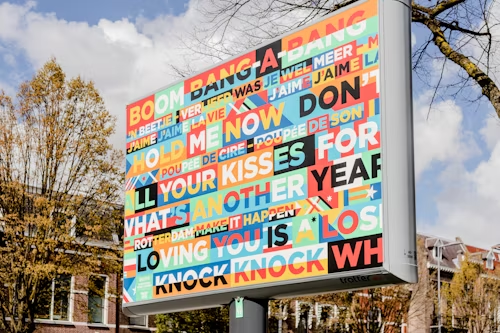
The billboard’s message must be instantly legible. Keep the copy short and focus on one call to action.
- Use large, sans‑serif fonts (minimum 6 inches tall).
- Limit color palette to 3–4 colors to avoid visual clutter.
- Include a memorable tagline or slogan that ties into your broader campaign.
- If using dynamic content, schedule updates every 30–60 seconds to maintain viewer interest.
Testing different creative variations across multiple billboards can surface which designs drive the highest engagement rates. If you’re working with a billboard advertising agency, request A/B testing services as part of the agreement.
9. Navigating Regulatory and Ethical Considerations
Outdoor ads are subject to local ordinances that control size, illumination, and content. In 2026, many cities have stricter rules on LED brightness and motion to reduce driver distraction.
- Check the city’s billboard permit requirements before committing.
- Obtain necessary approvals for dynamic lighting levels.
- Avoid political or controversial messaging unless your sponsor explicitly allows it.
Non‑compliance can lead to fines, forced removal, and brand damage. A reputable agency will vet each site against these regulations.
10. Measuring Success: Post‑Campaign Analysis
After the billboard runs its course, gather data on impressions, traffic patterns, and conversion metrics. Use QR codes or short URLs to track direct responses from viewers. Combine this with traditional sales data to calculate a full ROI.
- Impressions vs. actual reach (via mobile location data).
- Conversion rate from billboard‑driven traffic.
- Incremental lift in brand awareness surveys.
Present these findings to stakeholders and use the insights to refine future outdoor ad placement strategies.
11. Future Trends: AI‑Driven Billboard Optimization
AI tools are emerging that predict optimal billboard content based on weather, traffic, and local events. Some systems even adjust messaging in real time for maximum relevance.
- Weather‑adaptive ads change color schemes to match current conditions.
- Event‑driven content updates during festivals or sports games.
- Audience segmentation models that personalize messages by demographic slice.
If you’re planning a long‑term campaign, consider an agency that integrates AI analytics into their service offering. This can boost engagement and reduce manual content management.
12. Quick Recap Checklist
- Define objectives: awareness vs. response.
- Map audience traffic flows.
- Select static or dynamic format based on budget & duration.
- Run a billboard impact analysis for ROI estimation.
- Explore sponsorship options and assess brand fit.
- Choose an agency with proven outdoor placement expertise.
- Set clear budgets, negotiate multi‑month rates.
- Create concise, high‑contrast ads; test variations.
- Verify regulatory compliance before launch.
- Track metrics post‑campaign and iterate.
This framework should help you navigate the complexities of outdoor ad placement in 2026 and turn your billboard spend into measurable business results.
What is your biggest challenge when selecting a billboard location for a new product launch?