How to Rent Premium Billboard Space in 2026: A Practical Guide
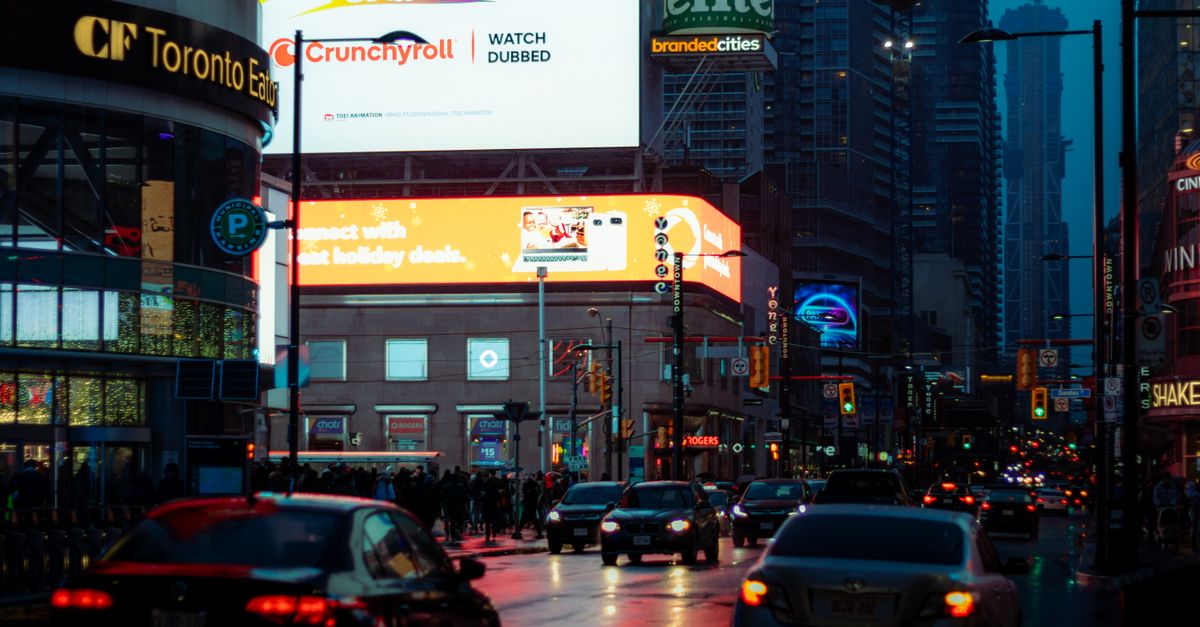
Outdoor media has never been more accessible, thanks to digital billboard rental platforms that let brands book premium placements without a long‑term lease. If you’re looking to boost visibility with smart billboard advertising, this guide breaks down the steps, costs, and pitfalls so you can secure the best spot for your budget.
1. Why Outdoor Media Still Matters in 2026
Despite digital saturation, billboards remain one of the highest‑impact channels for reaching broad audiences on the go. In 2026, data shows a 12% lift in brand recall when a campaign integrates outdoor assets with online touchpoints. The key advantage is reach: billboards appear in high‑traffic corridors where commuters and travelers spend minutes that translate into thousands of impressions per day.
Billboard advertising also offers control over creative messaging—no algorithmic gatekeeping, just the power to shape what people see at the moment they need it. For local businesses or events, a well‑placed billboard can drive foot traffic faster than any digital ad set.
In my experience, the most successful campaigns are those that blend traditional outdoor reach with real‑time data from smart billboards, allowing for dynamic content changes based on weather or time of day.
2. Types of Billboard Spaces and What to Look For
The first decision is whether you want a standard billboard, a digital display, or an experiential installation. Standard billboards are cheaper but static; digital ones allow multiple creatives in one spot and can be scheduled through a rental platform.
Consider the location: highway exits, city intersections, transit hubs, or campus corners each attract different demographics. A city intersection may cost 30% more than a rural highway spot but delivers higher foot traffic per mile.
When evaluating spaces, look for:
Checklist for Billboard Space Selection
- Visibility: clear line of sight from major travel routes.
- Traffic volume: daily vehicle count or pedestrian flow.
- Regulatory compliance: local zoning and billboard permits.
- Digital capability: LED panels, power supply, Wi‑Fi connectivity.
- Competitive density: number of nearby billboards.
- Audience match: does the spot serve your target demographic?
- Duration flexibility: can you scale up or down quickly?
- Cost structure: flat fee vs. per‑day rate.
Choosing the right type and location sets the foundation for ROI, so spend time gathering traffic data and speaking with local advertising agencies before committing.
3. How a Rental Platform Simplifies the Process
A billboard rental platform acts as an aggregator that brings together dozens of owners, each offering various spaces. The process typically follows these steps:
- Search by city or ZIP code and filter by size, format, and price.
- Compare real‑time availability and view 3D renderings of the site.
- Upload creative assets that meet platform specifications.
- Set campaign dates and get instant pricing quotes.
- Approve contracts electronically and manage payments through a secure portal.
The advantage is transparency: you see all options side‑by‑side, eliminating the need to negotiate with multiple owners individually. Additionally, many platforms offer analytics dashboards that report impressions based on traffic data, giving you measurable results without waiting for third‑party reports.
4. Evaluating Premium Placements for ROI
Premium placements—those in high‑visibility zones like downtown skylines or major interstates—command higher rates but also deliver superior exposure. To assess ROI, calculate the cost per thousand impressions (CPM) and compare it to digital benchmarks.
A typical premium billboard might cost $1,200 per month for a 10x30 foot display on a busy highway. If traffic data indicates 150,000 daily impressions, your CPM is roughly $8—a competitive figure compared to online video ads in some markets.
However, the true value comes from contextual relevance: if your brand aligns with the audience traveling that corridor (e.g., a car dealership near an interstate), the incremental sales lift can justify the premium price. Always factor in conversion metrics like call‑in rates or QR code scans when estimating ROI.
5. Smart Billboard Advertising: Data‑Driven Decisions
Smart billboards integrate sensors, cameras, and IoT modules to adapt content in real time. For example, a billboard can switch from promoting a coffee shop to a late‑night diner based on the time of day.
Key benefits include:
Advantages of Smart Billboards
- Dynamic creative rotation without manual intervention.
- Real‑time audience analytics (age, gender, mood).
- Weather‑responsive messaging to increase relevance.
- Remote management through cloud dashboards.
- Integration with social media feeds for live updates.
If your budget allows, investing in a smart billboard can double the engagement rate compared to static displays. Platforms that offer this technology often bundle analytics tools, so you can track performance and optimize on the fly.
6. Cost Breakdown and Budgeting Tips
Here’s an approximate cost structure for a typical 30‑day campaign in a mid‑tier city:
- Base rental fee: $1,200–$3,000 (depending on location).
- Creative production: $500–$2,000 (design and approvals).
- Digital upgrade (if applicable): +$800 per month.
- Installation & maintenance: $300–$600 (one‑time).
- Compliance & permits: $200–$400.
Total range: $2,800–$6,500 for 30 days. To keep costs lean:
- Book during off‑peak seasons—summer rush can add 20% to rates.
- Bundle multiple placements through a single platform; many offer volume discounts.
- Use pre‑approved creative templates to shave design time and cost.
Always request a detailed invoice from the platform, so you know exactly what you’re paying for and can compare it against other media options.
7. Common Mistakes and How to Avoid Them
Even seasoned marketers trip on these pitfalls:
- Ignoring traffic data: A billboard in a quiet suburb may cost less but deliver negligible impressions.
- Over‑designing creatives: Billboards need bold, legible text; too many fonts or colors dilute the message.
- Neglecting call‑to‑action (CTA): Without a clear CTA—phone number, URL, QR code—the audience has no next step.
- Failing to monitor performance: Relying solely on platform estimates can mislead ROI calculations.
- Missing regulatory approvals: Last‑minute permit issues can delay launch and inflate costs.
By checking off each of these items before you go live, you’ll avoid costly delays and maximize the impact of your billboard spend.
8. Case Study Snapshot: A Local Brand’s Success
A regional coffee chain used a smart billboard platform to target commuters on two major highways in 2026. They scheduled three different messages—morning brew, midday latte, evening espresso—based on traffic peaks.
The campaign ran for four weeks at $3,400 total. Traffic data showed 180,000 daily impressions, and the chain reported a 17% increase in foot‑traffic to stores within 5 miles of the billboard locations. Call‑in rates rose by 22%, translating into an estimated $18,000 in incremental sales—well above the CPM benchmark.
This example illustrates how pairing premium placement with smart technology can yield measurable lift beyond traditional expectations.
9. Future Trends in Outdoor Media
Looking ahead, several trends will shape billboard advertising:
- Augmented Reality (AR): Viewers can scan billboards to unlock interactive content via their phones.
- Energy‑efficient LEDs: Solar panels and battery storage reduce operating costs for digital displays.
- AI‑generated creatives: Algorithms craft tailored messages based on real‑time demographic data.
- Micro‑targeting zones
Brands that adopt these innovations early will capture audiences before the market saturates. Keep an eye on platform updates; many rental services now offer AR previews and AI tools as add‑ons.
10. Action Plan: Steps to Secure Your Spot
- Define your objective—brand awareness, local sales boost, or event promotion.
- Identify target demographics and match them to billboard locations using traffic reports.
- Choose a rental platform that offers the format (static vs. digital) and analytics you need.
- Create a simple, high‑contrast ad with a clear CTA; test readability from 30–60 feet away.
- Schedule your campaign dates, ensuring compliance with local permits.
- Launch and monitor performance via the platform’s dashboard; adjust creative as needed.
Following this roadmap will help you navigate the complexities of outdoor media solutions while keeping costs predictable and results measurable.
Key takeaway: Premium billboard placements remain cost‑effective when matched to high‑traffic, demographically relevant locations and paired with smart, data‑driven content strategies.What’s the biggest challenge you face when selecting billboard space for your next campaign?