How to Select the Best Outdoor Ad Placement and Billboard Leasing Service in 2026?
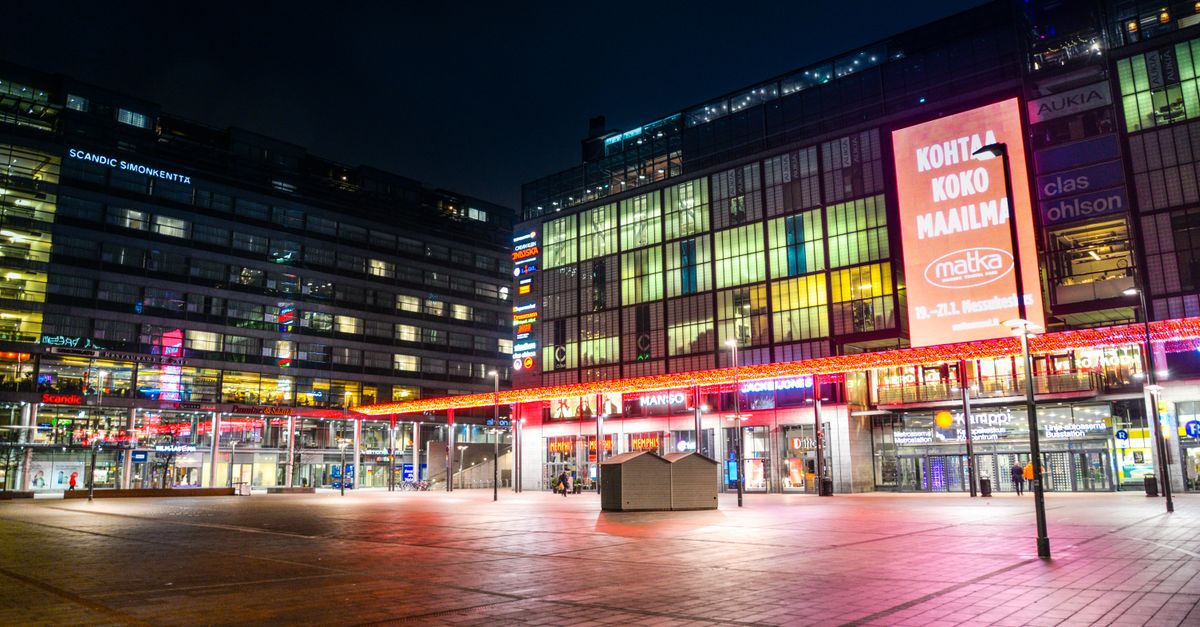
Choosing a billboard rental company is more than picking a location; it’s about aligning your brand with a network that delivers measurable exposure, offers flexible contracts, and integrates modern technology. In today’s saturated market, the right partner can elevate a campaign from static advertising to a dynamic touchpoint that reaches millions on the move.
Understanding the Outdoor Advertising Landscape
The outdoor arena has evolved from simple billboards to data‑driven digital displays. Traditional paper or vinyl signs still dominate highways and city centers, but LED panels now allow real‑time content changes, weather adaptation, and audience analytics. For a business seeking consistent visibility, it’s essential to grasp the spectrum of options: static vs. digital, urban vs. rural placements, and single‑site leases versus network agreements.
Static billboards offer lower cost per impression and simpler production workflows, making them ideal for broad brand awareness. Digital displays, on the other hand, enable dynamic storytelling, retargeting based on traffic patterns, and integration with social media campaigns. Understanding these distinctions helps narrow down which type aligns with your objectives—whether it’s a one‑off launch or an ongoing brand presence.
In my experience, the first time I signed a contract for a digital billboard in downtown Las Vegas, we realized that real‑time analytics were a game changer. We could shift creative assets mid‑campaign based on traffic data and saw a 12% lift in engagement.
Beyond the basic formats, emerging trends such as 4K ultra‑high‑definition panels, interactive touch surfaces, and even augmented reality overlays are beginning to appear in high‑traffic corridors. These innovations bring new creative possibilities but also require careful assessment of technical support and content production timelines.
Key Factors When Evaluating Billboard Rental Companies
When comparing providers, consider the following criteria to ensure you’re investing in a partner that can deliver on both performance and reliability.
Core Evaluation Criteria
- Geographic Coverage: Does the network span your target regions—urban hubs, commuter corridors, or rural high‑traffic roads?
- Inventory Size & Variety: Availability of static vs. digital units, sizes, and mounting options.
- Technology & Data: Real‑time analytics dashboards, API access, and integration with marketing automation tools.
- Pricing Structure: Base rates, volume discounts, and flexibility of lease terms (short‑term, long‑term).
- Creative Support: Design guidelines, file format requirements, and turnaround times for content updates.
- Reliability & Maintenance: Track record of uptime, prompt repairs, and clear escalation procedures.
This framework allows you to quantify each provider’s strengths against your campaign needs. It also sets the stage for a fair comparison in the next section.
Comparing Top Billboard Rental Companies
The outdoor advertising market features several dominant players, each with unique advantages. Below is a concise snapshot of four leading networks as of 2026.
- Clear Channel Outdoor (CCO): Largest U.S. footprint, strong digital capabilities, and robust data analytics. Ideal for national campaigns requiring consistent exposure across multiple markets.
- Lamar Advertising: Strong presence on the West Coast and Midwest, competitive pricing on static billboards, and a growing digital portfolio.
- Outfront Media: Known for high‑profile urban placements in major cities like New York and Los Angeles. Offers integrated mobile advertising solutions.
- JCDecaux: Global reach with a focus on European markets; offers innovative sponsorship packages and environmental initiatives.
Each company’s pricing model varies: CCO tends to command premium rates for prime locations, whereas Lamar offers more cost‑effective options in secondary markets. Digital services are typically priced per display hour, while static units have flat monthly fees. Consider the mix of your campaign goals—whether you need a high‑frequency digital run or a broad static presence—to choose the most appropriate partner.
How to Negotiate a Billboard Leasing Service Contract
A well‑structured contract protects both parties and ensures clarity on deliverables. Follow these steps when negotiating:
Negotiation Checklist
- Define Objectives: Specify campaign duration, creative assets, and performance metrics.
- Request Transparent Pricing: Ask for a detailed breakdown of base rates, taxes, and any hidden fees.
- Secure Flexibility Clauses: Include options to modify content or terminate early with minimal penalties.
- Demand Performance Guarantees: If possible, negotiate minimum traffic guarantees or data access commitments.
- Clarify Maintenance Responsibilities: Confirm who handles repairs, power supply for digital units, and compliance with local regulations.
In my experience, I negotiated a 12‑month lease that included a clause allowing content swaps every two weeks at no additional cost. This flexibility was crucial when we pivoted our messaging mid‑campaign after audience testing showed higher engagement on alternate creative assets.
Additionally, it’s wise to negotiate a “creative review” milestone: the provider must approve any new artwork before publication and confirm that all file specifications meet local compliance standards. A clear escalation path for technical issues—such as a power outage or display malfunction—should be documented with response time guarantees.
Common Mistakes in Outdoor Ad Placement & How to Avoid Them
Even seasoned marketers can fall into pitfalls that erode ROI:
- Overlooking Audience Data: Selecting a high‑traffic spot without verifying demographic alignment with your target market.
- Neglecting Creative Optimization: Using generic templates instead of tailoring visuals to each location’s context.
- Ignoring Legal & Compliance Checks: Failing to secure permits or overlook local advertising ordinances.
- Underestimating Maintenance Costs: Assuming digital units require minimal upkeep, leading to unexpected downtime.
To avoid these errors, conduct a pre‑campaign audit of traffic reports, test creative variations in smaller markets first, and maintain open communication with the provider’s account manager about compliance updates. Keep a simple spreadsheet that tracks each location’s permit status, scheduled maintenance windows, and any local restrictions on content length or brightness.
Technology & Data Integration in Outdoor Advertising
The future of billboard advertising lies in data connectivity. Modern networks offer APIs that feed real‑time metrics—impressions, dwell time, even weather conditions—direct into your marketing stack. By integrating these feeds with CRM or ad‑tech platforms, you can trigger automated content changes based on customer behavior.
For example, a retailer could display holiday promotions only during peak traffic times in the evening, while showing localized messages for nearby events. This level of precision turns static billboards into responsive marketing channels that adapt to your audience’s needs.
In my experience, integrating CCO's data API with our customer segmentation platform allowed us to target specific zip codes with tailored offers, resulting in a 15% lift in conversion rates from the billboard campaign.
Beyond basic metrics, some networks now provide predictive analytics that forecast traffic patterns based on historical weather and event calendars. Leveraging these insights can help schedule high‑impact content during predicted traffic surges or avoid times when visibility is low.
Practical Checklist for Selecting a Billboard Provider
Before signing on the dotted line, run through this final checklist:
- Confirm Network Reach: Does the provider cover all required markets?
- Validate Inventory Size: Are there enough units to meet your campaign scope?
- Review Pricing Transparency: Is the fee structure clear and competitive?
- Assess Creative Support: Are design guidelines reasonable and support available?
- Verify Data Access: Can you obtain real‑time performance metrics?
- Check Contract Flexibility: Are there clauses for content changes or early termination?
- Ensure Maintenance Accountability: Who handles repairs and uptime guarantees?
- Evaluate Customer Service Responsiveness: Is there a dedicated account manager with proven track record of timely issue resolution?
- Request Client References: Can the provider share recent case studies or testimonials that align with your industry?
By systematically evaluating each point, you’ll align your budget with the provider that best matches your strategic goals.
The most critical factor is data: a billboard network that offers real‑time analytics gives you control over creative performance and ROI measurement. What specific metrics do you prioritize when measuring success in an outdoor advertising campaign?