Maximizing Impact: How Outdoor Brand Awareness Campaigns Leverage Digital and Urban Billboard Marketing

In today's competitive market, creating memorable and engaging brand awareness campaigns is crucial for the success of any business. Outdoor advertising, particularly through digital billboards and urban billboard marketing, plays a pivotal role in crafting these impactful strategies. This comprehensive guide will explore the effectiveness of outdoor brand awareness campaigns, focusing on the strategic use of digital billboards and urban billboard marketing to boost visibility and consumer engagement.
The Power of Outdoor Brand Awareness Campaigns
Outdoor brand awareness campaigns are designed to catch the eye of passersby in public spaces, making them a valuable strategy for brands looking to enhance their visibility and engage with a broader audience. These campaigns can vary from simple posters to elaborate interactive installations, but they all share a common goal: to leave a lasting impression on the consumer.
By opting for outdoor advertising, brands can benefit from high-traffic locations, maximizing exposure to potential customers. The visual impact of these ads, combined with their strategic placement, can significantly increase brand recognition and customer recall rates.
Utilizing Digital Billboards for Dynamic Advertising
Digital billboards represent a modern twist on traditional outdoor advertising. These high-tech solutions offer several advantages that can amplify the effectiveness of brand awareness campaigns:
- Flexibility: Digital billboards allow for real-time content updates and can display different messages at different times of the day, making them highly adaptable to the context or audience.
- Interactivity: Some digital billboards are equipped with interactive capabilities, such as touch screens or augmented reality, which can engage customers in a unique and memorable way.
- Visual Appeal: The bright, vivid displays of digital billboards are eye-catching and can make creative and graphical content pop, ensuring that the advertising stands out in urban landscapes.
Moreover, digital billboards can be strategically placed in locations with high foot or vehicle traffic, such as city centers, highways, and busy intersections, which increases the likelihood of capturing consumer attention.
Mastering Urban Billboard Marketing
Urban environments offer a unique backdrop for billboard marketing due to their high density of population and diversity of audiences. Urban billboard marketing involves placing large-scale advertisements in strategic locations within a city to maximize visibility and impact. Here’s how effective urban billboard marketing can be achieved:
- Location Analysis: Understanding the demographic and psychographic characteristics of the urban area can help tailor the campaign message to resonate with the local audience.
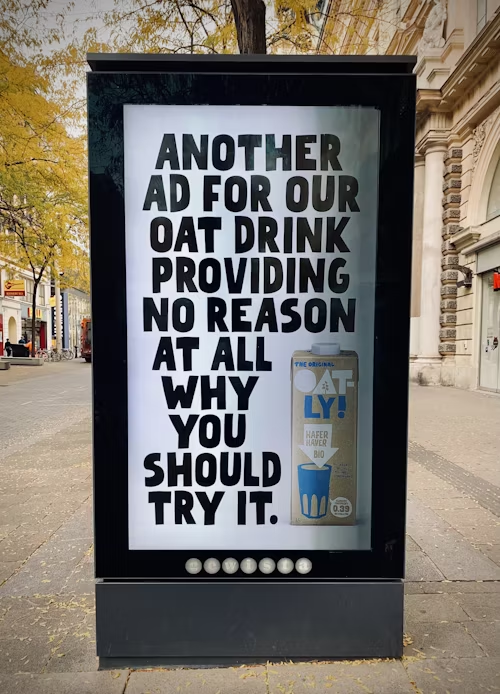
- Creative Design: Urban billboards should feature bold and innovative designs to capture the attention of people who are often bombarded with various stimuli. Creativity can set a campaign apart from the competition.
- Integration with Digital: Integrating traditional billboards with digital elements can enhance engagement. For example, QR codes can be used to link to digital content or social media platforms, bridging the gap between offline and online media.
Effectively leveraging the geographical and demographic advantages of urban areas can dramatically increase a brand's visibility and consumer interaction.
Case Studies: Success Stories in Outdoor Brand Awareness
To illustrate the impact of effective outdoor brand awareness campaigns, let’s look at a few successful examples:
- Case Study 1: A renowned beverage company used digital billboards to launch a time-sensitive campaign that aligned with cultural sporting events. The ads were updated in real-time to reflect the results of games, creating a dynamic interaction that resonated with the audience.
- Case Study 2: A fashion retailer implemented an urban billboard campaign with high-impact visuals and minimalist design strategically placed in fashion districts. The campaign led to an increase in both foot traffic and online engagement.
- Case Study 3: A technology firm utilized interactive digital billboards equipped with sensors to change the displayed ad based on the current weather conditions. This not only drew attention but also showcased the brand’s innovation.
These examples demonstrate how diverse strategies in digital and urban billboard marketing can be tailored to different objectives and target audiences, ultimately leading to successful brand awareness campaigns.
Best Practices for Designing Impactful Billboard Ads
Designing an effective billboard ad requires more than just aesthetic appeal; it needs strategic thinking and understanding of the medium. Here are some best practices:
- Keep It Simple: A clutter-free design with a clear message and a strong visual focus can make the ad more readable and effective, especially from a distance.
- Use Bold Colors and Large Text: These elements help capture attention quickly and make the content legible even for fast-moving traffic.
- Include a Call-to-Action: Whether it’s visiting a website, scanning a QR code, or following a social media handle, having a clear call-to-action can drive engagement.
By adhering to these design principles, businesses can create billboard ads that not only capture attention but also convert it into meaningful engagement.
Conclusion: The Future of Outdoor Advertising
As technology continues to evolve, so too will the strategies used in outdoor advertising. The integration of digital capabilities with traditional outdoor advertising methods like billboards will likely become more prevalent, offering new ways for brands to engage with consumers in dynamic, personalized ways. For businesses looking to build or sustain brand awareness, understanding and leveraging these trends in digital and urban billboard marketing will be key to success in the increasingly cluttered advertising landscape.
Embracing innovative approaches and continually adapting to changes in consumer behavior and technology will ensure that outdoor brand awareness campaigns remain powerful tools for building brand visibility and engagement.