Premium billboard placements versus digital screen billboards: Which is better for city‑wide advertising?
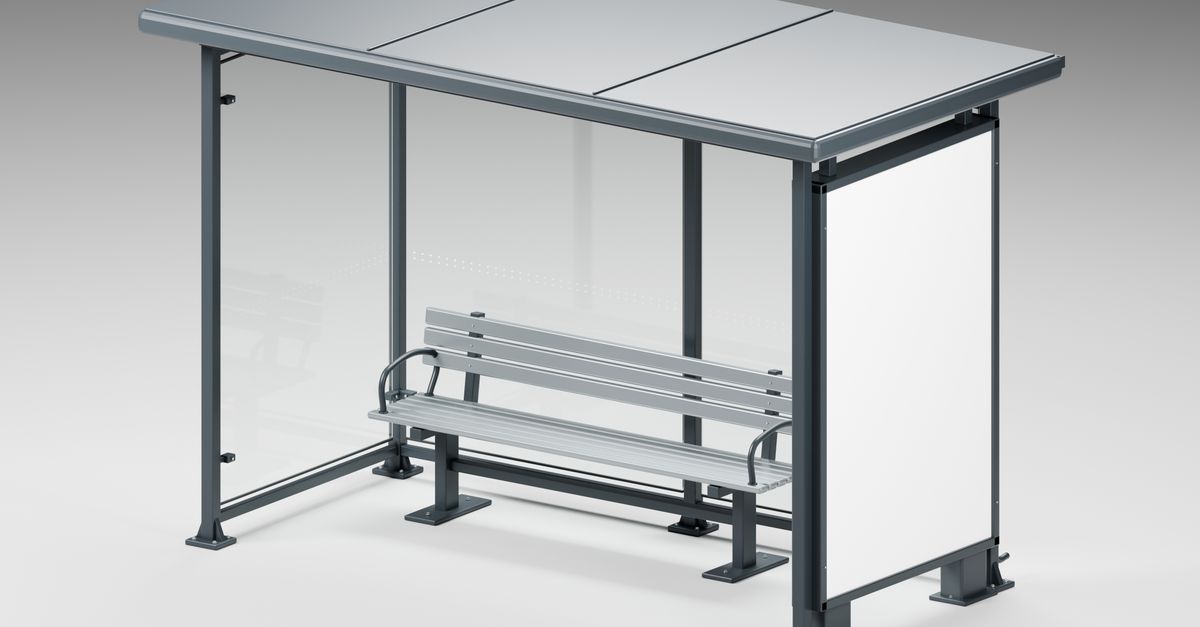
Out‑of‑home (OOH) advertising remains a powerful channel for reaching audiences on the move. In 2026, two dominant formats—premium billboard placements and digital screen billboards—compete for ad spend in city‑wide campaigns. Understanding their differences in reach, cost, creative flexibility, and ROI can help brands decide where to allocate budget.
1. The Out‑of‑Home Landscape in 2026
OOH advertising has evolved from static billboards on highways to a mix of digital displays, transit ads, and integrated city‑wide networks. Key players now offer bundled packages that combine traditional signage with dynamic content across buses, subways, and urban screens.
For brands, the main questions are: How many impressions can I generate? What level of targeting is possible? And how do I measure impact against digital media?
1.1 Premium Billboard Placements
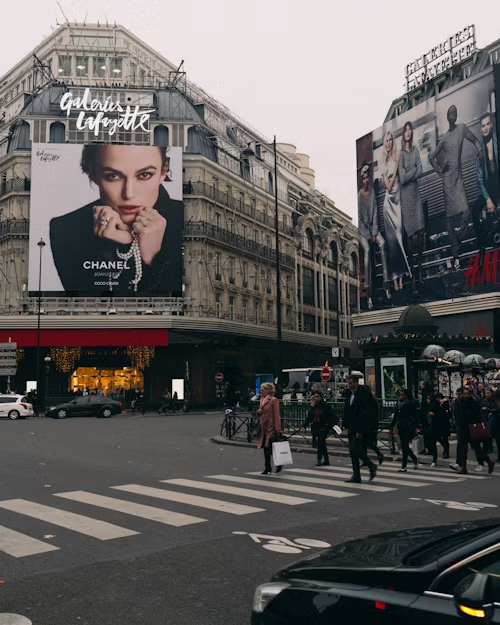
Premium billboard placements refer to high‑traffic, strategically located static billboards—often on major thoroughfares, near airports, or in dense commercial districts. These spots command premium rates due to guaranteed visibility and large daily audiences.
Characteristics include:
- Large print area (typically 14–20 feet tall)
- High footfall or vehicle traffic
- No content refresh cycle—one campaign runs for weeks or months
- Regulatory approval often required, but once granted the spot is locked in
The process of acquiring a premium spot typically involves three stages: scouting, where agencies identify potential sites based on traffic data; negotiation, which includes securing permits and agreeing on rates; and finally, production, where the creative is fabricated to meet local zoning and safety regulations. Because these signs are physically massive, they can also serve as architectural landmarks, reinforcing brand prestige.
1.2 Digital Screen Billboards
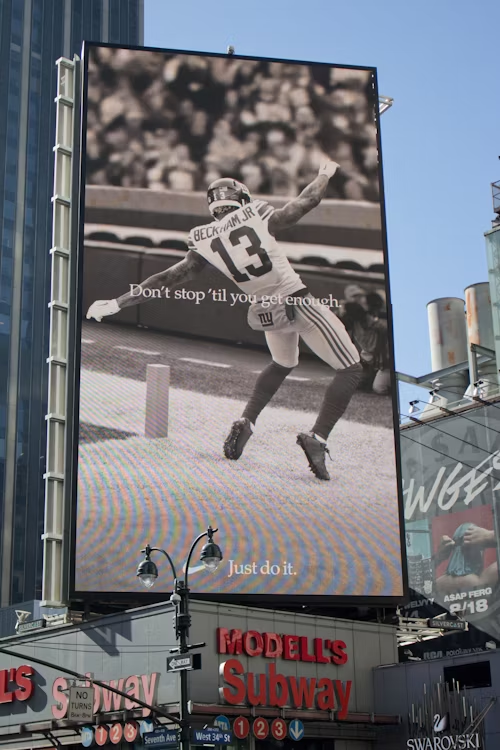
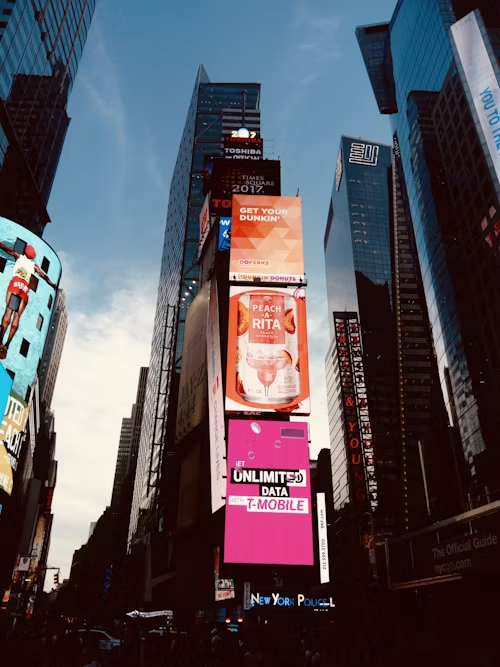
Digital screen billboards are LED or LCD panels that allow multiple ads to rotate and can be updated remotely. They offer:
- High‑resolution imagery and video playback
- Dynamic scheduling (time of day, weather triggers)
- Real‑time content changes across a network of screens
- Higher upfront installation costs but lower per‑impression cost over time
Digital OOH has introduced a new layer of interactivity: some panels now support touch input or can stream social media feeds, creating a two‑way engagement loop. The ability to update content on the fly also means that brands can respond to local events—such as road closures or weather alerts—without negotiating a new contract.
1.3 Transit Billboard Ads
Transit billboards appear on buses, subways, trams, and taxis. They are a subset of city‑wide billboard advertising because they travel through different neighborhoods, providing broader geographic reach.
Key advantages:
- Exposure to commuters during peak hours
- Potential for interactive content (QR codes, NFC tags)
- Shorter campaign durations but high frequency per viewer
2. City‑Wide Billboard Advertising Strategy
A city‑wide billboard strategy blends static and digital formats to cover multiple touchpoints—main arteries, secondary roads, transit hubs, and high‑density pedestrian zones.
Effective strategies typically involve:
- Baseline exposure through premium billboards for brand recognition
- Digital screens for localized messaging or time‑sensitive offers
- Transit ads to reinforce the message during commutes
2.1 Creative Consistency Across Formats
While formats differ, maintaining consistent branding (colors, logos, core message) ensures recognition regardless of medium.
Digital platforms allow interactive elements—call‑to‑action buttons or dynamic slogans—while static billboards rely on strong visual impact and concise copy.
2.2 Frequency and Saturation Considerations
An often overlooked factor is the cumulative exposure that a single audience segment may experience across multiple OOH touchpoints. For example, a commuter who sees a digital screen at their office entrance, then a transit billboard on the bus to work, and finally a premium billboard on the highway home will have encountered the same brand message several times in one day. Brands can leverage this saturation by staggering content—using a static core message for recognition, while varying call‑to‑action or offers on digital screens—to keep the audience engaged without causing fatigue.
3. Cost Analysis and Budgeting
Budget decisions hinge on both capital outlay and ongoing fees. Below is a typical cost breakdown for each format in 2026, expressed per campaign week (average). Prices vary by city size and location but provide a baseline comparison.
Cost Components (per week)
- Premium billboard placement: $5,000 – $15,000
- Digital screen billboard (installation + content): $10,000 – $25,000 initial; $3,000 – $6,000 maintenance
- Transit billboard ad (bus/subway): $2,500 – $5,000 per vehicle
- Creative production: $1,000 – $4,000 for static graphics; $3,000 – $10,000 for video content
- Management and analytics: 10–15% of total spend
In many cases, a single digital screen can deliver comparable or higher impressions than multiple premium billboards at a lower recurring cost once the initial setup is amortized. However, the upfront investment for digital infrastructure may be prohibitive for short‑term campaigns.
3.1 Common Mistakes in Budget Allocation
Brands often over‑invest in high‑profile static spots without leveraging data to justify spend. Conversely, digital campaigns may under‑utilize targeting capabilities, resulting in wasted impressions.
To avoid this:
- Set clear KPIs before choosing format
- Use a pilot program on one or two locations before scaling
- Track impression data via sensors or third‑party measurement tools
4. Reach, Visibility, and Targeting
Understanding audience reach is critical. Static billboards generate high volume of passive impressions—most viewers see the ad once per day if they pass the location.
Digital screens can schedule content for specific times (e.g., morning commute, lunch hour) to match target demographics’ presence in a given area.
4.1 Metrics to Compare
- Impressions per 100k vehicles: Static: ~200–300; Digital: ~150–250 (variable)
- Average dwell time: Static: 5–7 seconds; Digital: 10–15 seconds with engaging video
- Geographic coverage: Static: single location; Digital: networked across city
- Targeting granularity: None for static; Time‑of‑day, weather, or demographic filters for digital
Transit billboards offer unique reach: commuters may view the same ad multiple times during a day, increasing recall.
5. Creative Flexibility and Messaging
Static billboards excel at bold, high‑contrast visuals that endure over long periods. They are limited to one message per campaign cycle.
Digital screens allow rotation of multiple creatives, dynamic calls to action, and real‑time updates (e.g., flash sales). This flexibility can drive higher engagement but requires ongoing creative management.
5.1 Content Guidelines
- Static: 30–40 characters per line; large imagery; minimal text
- Digital: 20–25 characters per line for video; use captions; keep total duration under 60 seconds
- Transit: Combine static and digital if available; include QR codes for mobile interaction
Beyond character limits, designers should consider the “first glance” principle: a viewer may only spend a few seconds before moving on. Therefore, headlines must convey intent instantly, while supporting visuals reinforce brand identity without cluttering the frame.
6. ROI Measurement and Attribution
Measuring OOH return on investment remains challenging because traditional web analytics do not capture physical exposure.
Modern solutions involve:
- Geofencing and mobile tracking: Estimate number of impressions based on device proximity
- CCTV and sensor data: Count passing vehicles or pedestrians
- Call‑in numbers, QR scans, and unique URLs: Attribute conversions to specific billboards
Digital screens can log view counts directly, providing more granular data than static billboards.
6.1 Common Attribution Pitfalls
Assuming all impressions convert equally leads to inflated ROI estimates. Always segment by audience behavior—e.g., commuters vs. shoppers—to refine attribution models.
Integrating OOH data with CRM systems or digital ad platforms can surface cross‑channel lift. For example, a brand might see an uptick in website visits on the same day as a high‑traffic billboard launch, strengthening causal inference when combined with time‑stamp data from mobile sensors.
7. Choosing the Right Mix for Your Brand
Decision factors include brand objectives, target audience, campaign duration, and budget constraints. Below is a quick decision matrix.
Decision Matrix
- Brand Awareness (short‑term): Premium billboards + transit ads for immediate visibility
- Lead Generation: Digital screens with QR codes or call‑to‑action overlays
- Event Promotion: Mix of digital and transit to capture commuter traffic in real time
- High‑budget, long‑term campaigns: Combine static for flagship locations and a network of digital screens for sustained reach
In my experience, starting with a single premium billboard in the city center can create buzz that is amplified by subsequent digital screen placements. This layered approach maximizes both reach and engagement while keeping costs manageable.
8. Case Study Snapshot
A mid‑size automotive retailer ran a 6‑week campaign across three major cities:
- Premium billboards on highways (3 locations)
- Digital screens in downtown districts (5 panels)
- Transit ads on local buses (10 vehicles)
The campaign achieved a 12% lift in showroom traffic and a 9% increase in online inquiries. Attribution data from QR scans and mobile tracking showed that 60% of the lift originated from digital screens, while static billboards contributed to brand recall.
Key takeaway: Premium billboard placements deliver high passive visibility for broad awareness, whereas digital screen billboards offer dynamic targeting and measurable engagement—choosing a mix tailored to campaign goals yields the best ROI.Choosing the right balance between static and digital OOH formats depends on your brand’s objectives, audience behavior, and budget. By aligning creative strategy with measurable metrics, you can optimize spend across city‑wide billboard advertising channels in 2026.
What specific audience segment would you target first—static or digital billboards—and why?