The Evolution and Efficiency of Out-of-Home Advertising: Focusing on Smart, Transit, and Mobile Billboard Ads
The landscape of out-of-home (OOH) advertising is transforming rapidly, integrating new technologies and adapting to changing consumer behaviors. Among the most dynamic segments within this category are smart billboard advertising, transit billboard ads, and mobile billboard advertising. Each of these forms offers unique advantages and can be tailored to meet specific marketing goals, making them invaluable tools in any marketer's arsenal. This post delves deep into these advertising strategies, exploring how they work, their benefits, and how businesses can effectively utilize them.
Understanding Smart Billboard Advertising
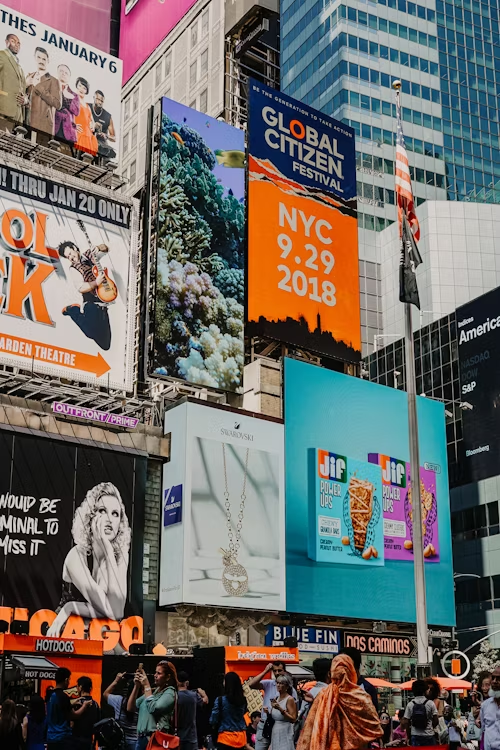
Smart billboards represent the cutting-edge intersection of technology and outdoor advertising. These digital billboards can change ads based on real-time data, such as weather conditions, traffic updates, and audience demographics, making them highly relevant and engaging. As opposed to traditional billboards, smart billboards offer dynamic content that can be updated instantaneously, providing a flexible and impactful advertising medium.
The benefits of smart billboard advertising include:
- Targeted Content: Advertisers can tailor messages based on the time of day or specific audience characteristics.
- Engagement: Interactive elements can be incorporated, such as social media feeds or live updates, boosting engagement.
- Efficiency: Changes to advertising content can be made quickly and remotely, eliminating the need for physical replacements.
For example, a smart billboard located in a busy city center could display ads for umbrellas and raincoats during a downpour, while switching to sunglasses and sunscreen ads when the weather clears. This level of responsiveness not only increases relevance but also enhances the likelihood of ad recall and consumer action.
Transit Billboard Ads: Moving Billboards That Drive Impressions
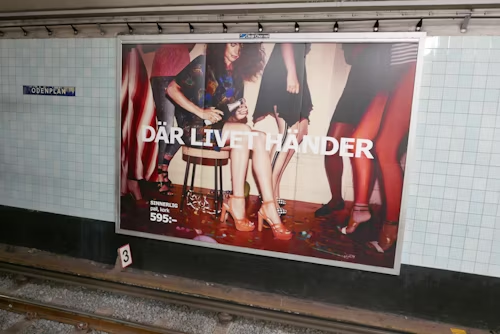
Transit advertising takes advantage of the routes and mobility of public transportation systems to spread marketing messages across a wide area. This can include ads on buses, trains, and even inside stations. The transient nature of transit billboard ads offers exposure to a broad and diverse audience, making it a potent tool for mass outreach.
Key advantages of transit billboard advertising include:
- High Reach: Ads displayed on public transport vehicles and facilities can reach thousands of commuters daily.
- Frequency: Since public transport typically follows predefined routes, the same ads are seen by commuters and pedestrians repeatedly, increasing the frequency of exposures.
- Geographic Targeting: Ads can be placed on routes that traverse specific demographic areas, optimizing audience targeting.
A practical application of transit billboard advertising might involve placing an ad for a new coffee shop on bus routes that pass through business districts to target working professionals who might be interested in grabbing a quick coffee before work.
Mobile Billboard Advertising: Flexibility and Visibility on the Go
Mobile billboard advertising takes the concept of mobility even further by attaching large-scale advertisements to trucks or trailers that travel around or park in strategic locations. This method combines the high visibility of traditional billboards with the added advantage of movement, capturing attention in multiple locations.
The effectiveness of mobile billboard advertising stems from several core strengths:
- Dynamic Exposure: Ads move through different areas, maximizing reach and impact across various demographics.
- Custom Routes: The routes can be customized based on demographic research, ensuring that the advertising reaches the most relevant audience.
- Unavoidability: The physical presence and movement of mobile billboards make them stand out in the urban clutter, making them hard to ignore.
An example of effective mobile billboard advertising could be a campaign for a new sports shoe line, where the mobile billboard tours around sports complexes, universities, and other youth-centric locations to maximize exposure to the target demographic.
Strategic Integration of Smart, Transit, and Mobile Billboard Advertising
For businesses looking to make the most of their advertising budget, integrating smart, transit, and mobile billboard advertising can create a synergistic effect. Each method complements the other by covering different aspects and moments of consumers' daily lives. For instance, a smart billboard can engage consumers with interactive ads, a transit ad can ensure repeated exposure, and a mobile billboard can broaden reach by moving across high-traffic areas.
- Determine the campaign's main objective and target audience.
- Choose the type of billboard advertising that best matches the campaign's needs.
- Integrate the selected methods into a cohesive campaign plan.
- Monitor and adjust the placements and messages based on performance metrics and consumer feedback.
In conclusion, the realms of smart billboard advertising, transit billboard ads, and mobile billboard advertising offer varied and effective ways for businesses to reach their audience. By understanding the features and benefits of each and integrating them based on strategic planning, companies can enhance their visibility, engage more effectively with their target demographics, and achieve substantial returns on their advertising investments.
Final Thoughts on Innovative Billboard Advertising Techniques
As consumer behavior continues to evolve and technology advances, so too must advertising strategies. Smart, transit, and mobile billboard advertising are at the forefront of this evolution, offering dynamic and flexible solutions for modern businesses aiming to capture consumer attention in a saturated marketplace. These innovative advertising techniques are not just about visibility; they are about creating a connection and interaction that traditional methods cannot match.
Businesses that can effectively leverage these OOH advertising strategies are likely to not only improve their market presence but also pave the way for deeper customer engagement and loyalty. As we move forward, the integration of technology and mobility in advertising will undoubtedly become more pronounced, making now the ideal time for marketers to get on board and explore these opportunities.