The Ultimate Guide to Billboard Marketing: Strategies and Best Locations for Maximum Impact
Billboard marketing remains one of the most enduring and impactful means of advertising. Despite the digital surge, the physical presence of a billboard can significantly influence consumer behavior and brand visibility. In this article, we delve deep into the strategic nuances of billboard marketing, focusing on the efficacy of cityscape billboard advertising, and pinpointing the best locations for billboards to maximize your advertising efforts.
What is Billboard Marketing?
Billboard marketing is a type of outdoor advertising that uses large-scale print or digital displays to promote brands, products, or services in high-traffic areas. These billboards are designed to catch the eye of passersby, making them a powerful tool for creating brand awareness and driving sales. The effectiveness of billboard advertising hinges on various factors, including location, billboard size, design, and the message itself.
Why Invest in Billboard Marketing?
Investing in billboard marketing comes with numerous benefits:
- High Visibility: Billboards are typically placed in areas with high foot or vehicle traffic, ensuring your message reaches a large audience.
- Brand Reinforcement: Regular exposure helps in reinforcing your brand identity and keeps it top-of-mind among consumers.
- Targeted Advertising: By choosing specific locations, you can target demographically relevant areas to reach your ideal customer base.
- Less Ad Avoidance: Unlike online ads, which can be skipped or blocked, billboards are a part of the environment, making them harder to ignore.
- 24/7 Exposure: Billboards are on display around the clock, providing continuous advertising without any additional effort or cost.
Choosing the Right Type of Billboard
Billboard advertising comes in various forms, each offering unique benefits:
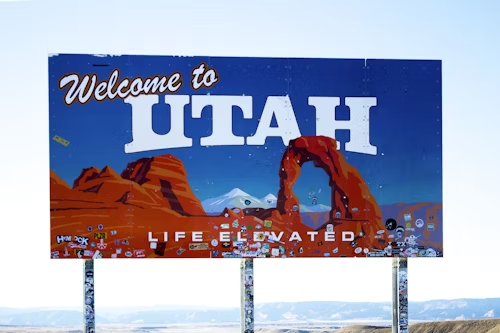
- Traditional Billboards: These are the standard large format billboards typically seen along highways and major urban roads.
- Digital Billboards: These electronic displays offer the flexibility of changing messages throughout the day and can be more engaging through motion graphics.
- Mobile Billboards: Attached to vehicles, these billboards can move around, targeting specific events or high-traffic areas dynamically.
- Interactive Billboards: Incorporating technology, these billboards engage directly with consumers, often prompting them to interact via their mobile devices.
Best Locations for Billboards
Choosing the right location is crucial for maximizing the impact of your billboard advertising. Some of the best locations include:
- Highways: Capturing the attention of drivers and passengers, especially in areas with frequent traffic jams.
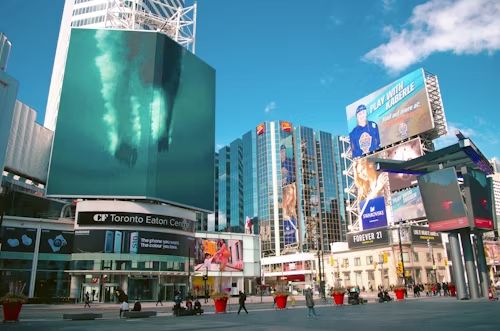
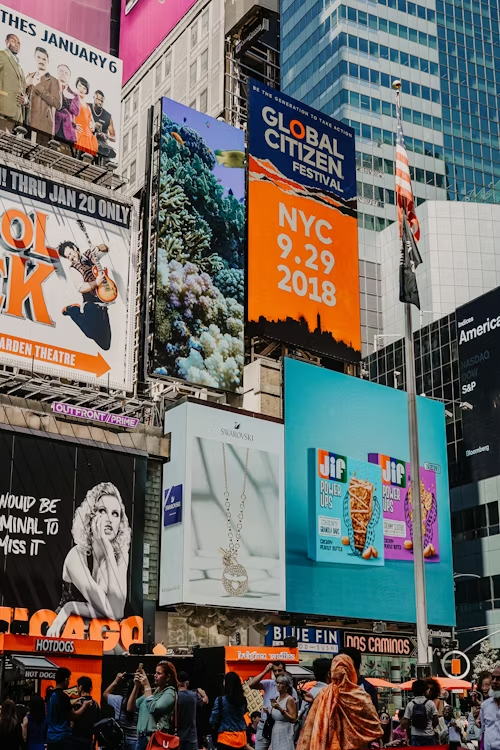
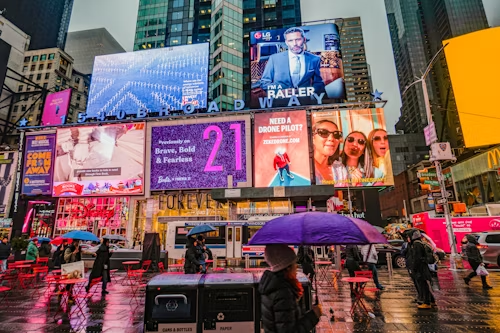
- Urban Centers: High foot traffic and slow-moving vehicle traffic allow more time for people to absorb your message.
- Public Transport Hubs: Areas like bus stations and metro stops are excellent for targeting commuters.
- Near Competitors: Strategically placed billboards can divert attention from competitors, especially in retail zones.
- Event Venues: Capitalize on large crowds before and after events for maximum exposure.
Cityscape Billboard Advertising: Maximizing Urban Impact
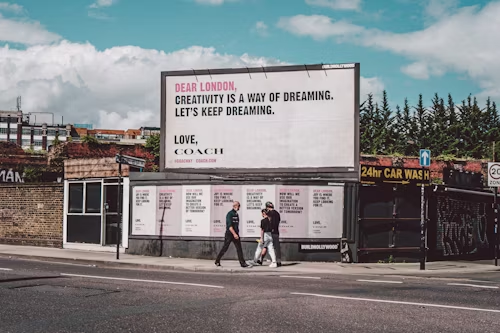
Cityscape billboard advertising refers to the strategic placement of billboards within city environments, capturing the attention of a dense and diverse urban population. This type of advertising is particularly effective due to the high volume of potential consumers in a relatively small geographic area. Engaging with city dwellers, who are often on the lookout for information and are influenced by trends, can significantly boost your advertising effectiveness.
Designing Effective Billboard Ads
A compelling billboard advertisement requires more than just a catchy slogan. The design and content must be strategically planned:
- Keep It Simple: With only a few seconds to capture and retain attention, your message needs to be clear and concise.
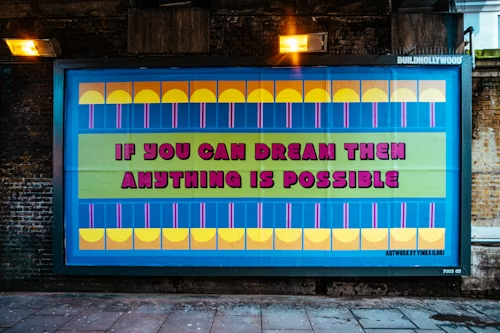
- Use Bold Colors: Vibrant colors can make your billboard stand out in a cluttered cityscape.
- Large, Readable Text: Ensure that your text is large enough to be read from a distance.
- Emotive Imagery: Use images that evoke emotions or reactions to make a lasting impression.
- Call to Action: Always include a simple, compelling call to action, whether it's visiting a website or making a call.
Measuring the Success of Billboard Advertising
While billboard advertising does not offer as detailed analytics as digital advertising, there are ways to measure its impact effectively:
- Direct Response: Use unique phone numbers or landing pages to track how many people engage with your ad.
- Brand Surveys: Conduct pre and post-campaign surveys to measure changes in brand awareness or perception.
- Foot Traffic: If applicable, measure changes in foot traffic in stores following the launch of a nearby billboard campaign.
- Sales Data: Compare sales data before, during, and after the campaign to gauge direct impact.
In conclusion, billboard marketing remains a robust advertising strategy, particularly when integrated with other digital and traditional marketing efforts. By focusing on strategic locations, compelling design, and targeted messaging, your billboard ads can significantly contribute to your overall marketing success. Whether you opt for traditional, digital, or interactive billboards, the key to success lies in understanding and engaging your audience effectively.
Embrace the potential of cityscape billboard advertising and choose the best locations for your billboards to maximize your brand's visibility and impact. With careful planning and execution, billboard marketing can be a powerful tool in your advertising arsenal.