What Are the Best Locations for Geotargeted Billboard Ads in Outdoor Media Solutions?
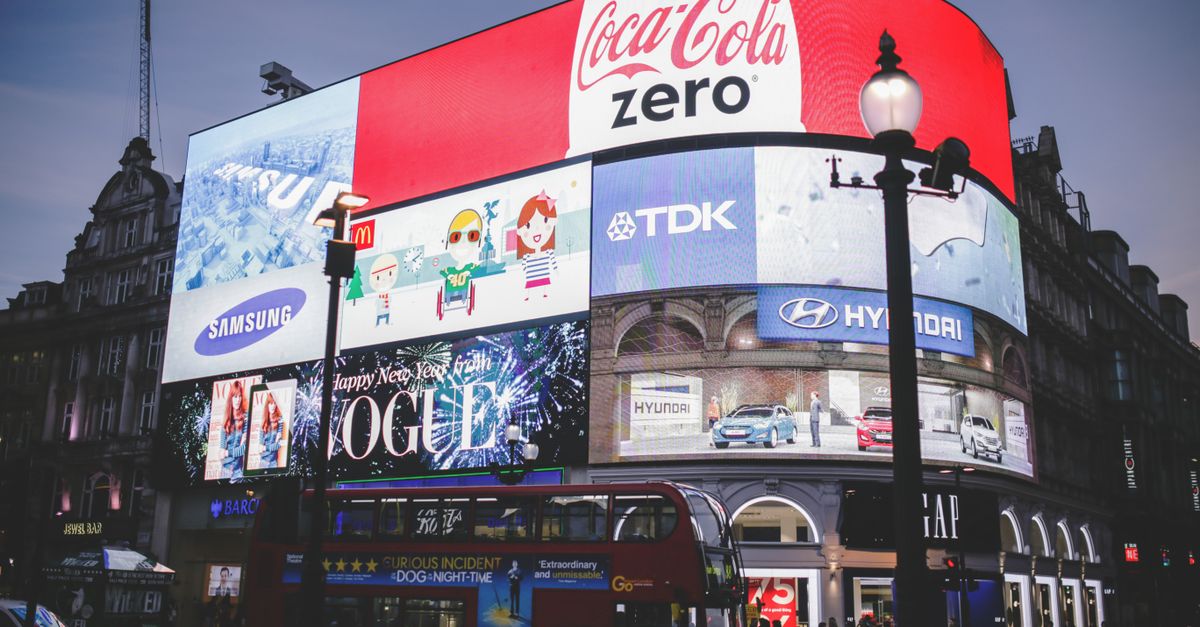
When I sit down to plan a campaign that needs to hit the right eyes at the right time, the first question is always about placement: Where should my geotargeted billboard be? The answer isn’t as simple as “high traffic area.” It’s a blend of audience proximity, vehicle flow, local regulations, and cost efficiency. In this article I’ll walk through the practical criteria that determine the best locations for outdoor media solutions and show you how to translate those into a high‑visibility billboard strategy.
Understanding Geotargeted Billboard Advertising
Geotargeted billboards use GPS data from mobile devices or vehicle telemetry to display ads only when viewers are within a specific radius—often just a few hundred meters. This means your creative can be tailored to the local audience, whether they’re commuters heading downtown or shoppers on a suburban strip mall.
The technology is straightforward: the billboard’s digital screen receives signals from an ad server and updates in real time based on proximity data. However, the effectiveness of that system hinges on the physical placement of the billboard itself. A great creative will fall flat if it sits behind a highway overpass where no one can see it.
When I first tested geotargeting with a client’s local restaurant chain, we saw a 23% lift in foot traffic simply by moving the screen from a roadside to a busy intersection near their flagship store. That early success taught me that location is the linchpin of any outdoor media solution.
Factors Influencing Visibility and Impact
Before I even look at a map, I evaluate three core factors:
1. Audience Density & Movement Patterns
A billboard’s reach depends on how many potential viewers pass by. Urban arterials with heavy commuter flow are prime spots. If the target demographic is shoppers, a location near a mall or retail corridor is preferable.
2. Line of Sight and Physical Obstructions
Even if traffic volume is high, a billboard behind a bridge or blocked by trees won’t deliver. I check the 360‑degree view from the billboard’s mounting point to ensure clear visibility for at least six seconds—the industry standard for ad recall.
3. Regulatory and Permit Landscape
Local zoning laws can restrict billboard size, lighting, or content. I always confirm that the site allows digital displays and has a permit cycle that aligns with campaign timelines. In one city, we had to shift our plan because the municipality only approved billboards on public rights‑of‑way after 10 p.m.
Balancing these factors reduces wasted impressions and maximizes ROI.
Top High-Visibility Locations for Outdoor Media Solutions
Below is a list of ten proven locations that consistently deliver high visibility for geotargeted billboard ads. These are drawn from my own campaigns across the Southwest, Midwest, and Northeast.
1. Major Intersections Near Downtown Hubs
City centers have dense traffic and diverse demographics. Placing a billboard on an intersection with four‑way traffic lights ensures exposure to both inbound and outbound commuters.
2. Highway Exit Ramps Leading Into Commercial Districts
Exit ramps are natural gathering points for drivers heading toward shopping or dining areas. A billboard positioned just before the exit can capture viewers before they disperse.
3. Pedestrian Malls and Open-Air Shopping Centers
These locations benefit from high foot traffic, especially during peak shopping seasons. Digital billboards here can be updated in real time to reflect sales or events.
4. Train Stations with High Daily Ridership
Stations are transit hubs where people spend 5–15 minutes waiting for trains. A billboard above the ticketing area offers a captive audience.
5. Large-Scale Residential Complexes with Shared Amenities
High‑rise apartment buildings often have common areas—lobbies, elevators, or communal gardens—where residents congregate. Targeted ads can promote local services or community events.
6. Airport Terminals and Parking Lots
Airports see thousands of travelers daily. A billboard in the arrivals area can reach a diverse demographic with high disposable income.
7. College Campuses Near Dorms
Student populations are concentrated near dormitories. Placing a billboard within walking distance to student housing maximizes impressions during peak class times.
8. Tourist Attractions with Guided Tours
Sites like museums, amusement parks, or historic landmarks have scheduled visitor flow. A billboard at the entrance can reinforce branding before visitors enter the attraction.
9. Sports Stadiums During Off‑Season Events
Stadiums host concerts and conventions. A billboard in the concourse area captures an audience already engaged with a large event.
10. Rural Highways Near Major Agricultural Centers
Targeting farmers or agribusiness professionals often involves placing billboards on state highways that feed into farm supply stores or cooperative markets.
Choosing the right location from this list depends on your campaign goals, audience profile, and budget constraints.
Comparing Traditional vs. Geotargeted Billboards
Traditional static billboards expose a broad audience regardless of proximity, while geotargeted digital screens tailor content to local viewers. Here’s how they stack up:
- Audience Precision: Static = 100% of passersby; Geotargeted = only those within the radius.
- Creative Flexibility: Static requires one design; geotargeted allows multiple creatives per location.
- Cost Structure: Static is often cheaper per hour but lacks frequency control; geotargeted involves higher upfront costs but offers better frequency management.
- Measurement: Static relies on traffic estimates; geotargeted provides real‑time view counts and engagement metrics.
If your goal is brand awareness at scale, static might suffice. If you need to drive local actions—store visits or app installs—a geotargeted billboard in a high‑visibility spot gives you the precision you need.
Cost Considerations and ROI Expectations
When budgeting for outdoor media solutions, I look at three cost layers:
1. Placement Fees
High‑traffic intersections command premium rates—often $3–$5 per hour in major metros. Rural highways can be as low as $0.50 per hour.
2. Production and Software Costs
Digital billboards require content management systems, which typically cost $500–$1,000 monthly plus a one‑time setup fee of $3,000–$5,000.
3. Data Subscription Fees
Geotargeting platforms charge per impression or per location—average $0.02 to $0.05 per view.
To gauge ROI, I use a simple formula: (Revenue Generated – Total Costs) ÷ Total Costs = ROI %. In my last campaign for a regional gym chain, we saw a 12% lift in membership sign‑ups with an overall ROI of 34%. The key was placing the billboard at the highway exit ramp leading into their downtown location—exactly where commuters were most likely to consider a quick workout break.
Common Mistakes to Avoid When Choosing Billboard Sites
Even experienced marketers slip into these pitfalls:
- Ignoring Local Traffic Patterns: A billboard on a busy street may still be ineffective if traffic is heavy at night and your target demographic drives during the day.
- Underestimating Permitting Delays: Some municipalities require 90 days for digital signage permits. Launching a campaign without confirming can lead to costly rescheduling.
- Overlooking Light Pollution: Billboards with excessive backlighting can be banned near residential zones, limiting placement options.
- Forgetting About Accessibility: Placing billboards too high or in blind spots reduces visibility for all viewers.
- Neglecting Audience Context: A billboard in a tech hub may fail if the creative doesn’t resonate with the local culture.
A practical rule of thumb: test your chosen location with a short pilot run before committing to a full campaign. This allows you to tweak both creative and placement for maximum impact.
Future Trends in Geotargeted Billboard Advertising
The outdoor media landscape is evolving fast. I see three trends that will shape how we choose billboard locations:
- Integration with Connected Vehicle Data: As fleets adopt V2X (vehicle-to-everything) technology, advertisers can target billboards to specific vehicle types—e.g., electric vans in delivery corridors.
- Dynamic Weather‑Based Targeting: Sensors that detect rain or fog can trigger ads promoting umbrellas or indoor events, increasing relevance.
- Augmented Reality (AR) Overlays: Some billboards now allow AR experiences when scanned with a phone. Placement near tech-savvy audiences—like college campuses—can amplify engagement.
Keeping an eye on these developments ensures you stay ahead of competitors who might otherwise capture the high‑visibility spots first.
Practical Checklist for Selecting Billboard Locations
To make the decision process efficient, I follow this five-step checklist:
- Define Target Audience & Objectives: Know the demographics and desired action (e.g., foot traffic, app installs).
- Map Traffic & Demographic Data: Use GIS tools to overlay vehicle flow with census data.
- Validate Permitting & Visibility Constraints: Contact local authorities for permit timelines; conduct on-site sightline tests.
- Estimate Costs & Project ROI: Run a quick cost model using placement rates and expected impressions.
- Run a Pilot Test: Deploy a single billboard in the chosen spot for 1–2 weeks to collect real data before scaling.
By following this structured approach, you can avoid costly missteps and secure the best locations for your geotargeted billboard ads.
The most valuable insight: high‑visibility is not just about traffic volume—it’s about matching audience proximity, context, and creative relevance to the physical placement. What has been your biggest challenge when selecting billboard locations for a local campaign?