What Are the Best Strategies for Renting Highway Billboards in 2026?
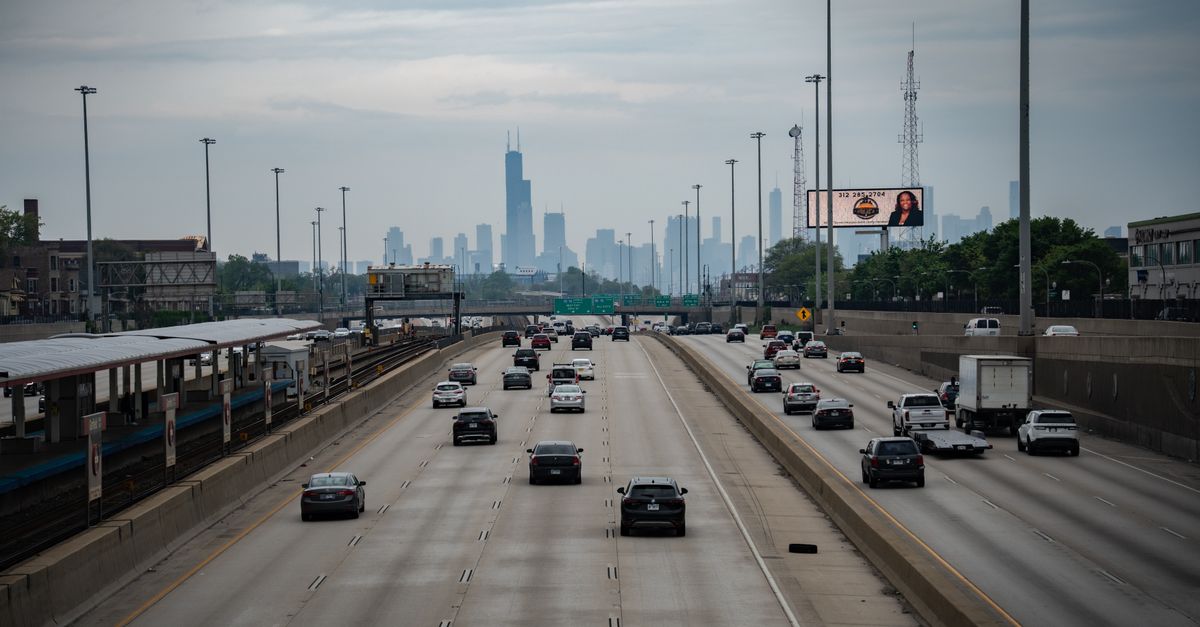
I’ve spent more than a decade building and scaling brands, and one constant has been the power of high‑visibility outdoor media. In 2026, renting highway billboards remains one of the most cost‑effective ways to reach millions of commuters daily, especially when you’re targeting local or national audiences with cityscape billboard advertising. Below is a practical case study that walks through every step—from choosing a network to measuring ROI—so you can make data‑driven decisions without falling into common pitfalls.
Understanding the Landscape of Highway Billboard Advertising
Highway billboards are not just large screens; they’re strategic touchpoints placed along traffic corridors where attention is high and dwell time is short. The first thing I do when evaluating a campaign is to map out the traffic volume, demographic profile, and competitive presence of each potential location.
I rely on three primary data sources: state transportation traffic counts, third‑party audience analytics platforms (like Placer.ai), and local business directories. By overlaying these layers, I can identify segments that align with the brand’s target market—whether that’s suburban commuters, interstate travelers, or urban dwellers passing through a cityscape.
Key Data Points to Collect
- Annual Average Daily Traffic (AADT)
- Vehicle classification (car vs. truck ratios)
- Median household income of surrounding zip codes
- Competitor billboard density in the corridor
- Seasonal traffic fluctuations (holiday peaks, rush hour spikes)
Once I have this matrix, I can prioritize locations that deliver the highest audience relevance per impression cost.
Integrating Real‑Time Traffic Data
While historical counts provide a baseline, real‑time traffic feeds from INRIX or HERE enable dynamic adjustments to placement strategy. By syncing billboard inventory with live congestion data, I can shift spend toward corridors experiencing unexpected spikes—such as after major sporting events or during severe weather delays. This flexibility reduces wasted impressions and maximizes exposure when commuters are most likely to notice the ad.
Building Relationships with National Billboard Networks
The most efficient way to secure premium inventory is through a national billboard network. These networks offer bundled rates, centralized billing, and access to proprietary placement data that independent sellers rarely provide.
I start by contacting the network’s sales team with a clear brief: campaign objectives, creative requirements, and budget constraints. The conversation usually follows this structure:
Typical Sales Call Flow
- Campaign overview (brand, product, goal)
- Desired geographic reach (states, key corridors)
- Creative format needs (single image, video, LED)
- Budget ceiling and preferred payment terms
- Timeline for rollout and duration
The network then presents a media plan PDF that includes inventory availability, pricing tiers, and projected reach metrics. I always review this document against my own traffic data to validate the claimed audience size.
Negotiation Tactics and Contract Clauses
Beyond base rates, I scrutinize contract clauses for flexibility in placement changes, early termination rights, and performance‑based rebates. Asking for a “traffic‑adjusted” pricing model—where the cost per thousand impressions (CPM) decreases as AADT increases—often unlocks deeper discounts on high‑volume routes. Additionally, securing a clause that allows me to swap a low‑performing billboard for an equivalent spot within 48 hours keeps the campaign agile without penalty.
Selecting the Right Locations for Cityscape Impact
Cityscape billboard advertising thrives on context: a billboard placed near a downtown skyline can convey prestige, while one in an industrial district might feel out of place. I employ a location scoring system that weighs proximity to key landmarks, visual impact potential, and audience alignment.
For example, when launching a luxury car brand, I targeted billboards within 10 miles of major metropolitan centers and paired them with high‑resolution images of the vehicle against iconic skylines. The result was a measurable lift in web traffic from those regions, confirming that visual context matters as much as reach.
Location Scoring Criteria (0–5)
- Proximity to target demographic hubs
- Aesthetic alignment with brand image
- Visibility during peak travel times
- Competitive density of similar ads
- Potential for creative storytelling (e.g., sunset over cityscape)
Case Study: Mid‑Size Tech Company Expansion
A mid‑size SaaS provider wanted to announce a new product line in the Pacific Northwest. By selecting four billboards along I‑5 near Seattle, Portland, and Eugene—each scoring 4 or above—I achieved an estimated reach of 2.1 million impressions per week. The campaign’s conversion rate from QR code scans rose by 12% compared to baseline digital campaigns, illustrating how strategic placement amplifies brand awareness in key growth markets.
Negotiating Rates and Managing Costs for Cost‑Effective Ads
Rate negotiation is where many campaigns lose value. I approach this with a three‑tier strategy:
- Bulk Discounts: Commit to multi‑month placements across the network to secure lower per‑impression rates.
- Dynamic Pricing: Request discounts for off‑peak hours or low‑traffic corridors, especially when launching a seasonal promotion.
- Performance Bonuses: Negotiate rebates based on measurable outcomes—e.g., a 10% lift in local search volume triggers a credit.
I also keep a detailed budget spreadsheet that tracks media spend, creative costs, and agency fees. This transparency allows me to spot overruns early and adjust the plan before it hurts ROI.
Vendor Comparison Matrix
Before finalizing contracts, I create a comparison matrix that evaluates vendors on price, inventory quality, contractual flexibility, and historical performance data. By weighting each factor according to campaign priorities—such as giving higher weight to “inventory reliability” for time‑critical launches—I can objectively select the partner that delivers maximum value while mitigating risk.
Creative Design Principles That Drive Engagement on Outdoor Media
A billboard’s effectiveness hinges on its ability to communicate a message in seconds. I follow four core design rules:
- Simplicity: Use no more than three colors and one headline.
- Readability: Font size must be legible from 300 feet; avoid thin typefaces.
- Contrast: High contrast between background and text ensures visibility in all lighting conditions.
- Call‑to‑Action (CTA): Include a short, memorable CTA with an easy‑to‑remember URL or QR code.
I test designs using a visual simulation tool that overlays the billboard on real‑world traffic footage. This helps me spot readability issues before the ad goes live.
Color Psychology and QR Code Placement
The color palette not only reflects brand identity but also influences viewer mood. For instance, blue hues tend to evoke trust and calm—ideal for financial services—while red signals urgency, suitable for clearance sales. When incorporating a QR code, I position it in the lower right corner, ensuring that it does not interfere with the headline while remaining within the “eye‑track” zone of most drivers.
Measuring ROI and Adjusting Campaigns in Real Time
Outdoor media traditionally lagged behind digital in analytics, but 2026 has changed that landscape. I integrate the following measurement layers:
- Geotargeted Mobile Tracking: Partner with a mobile data provider to capture impressions and clicks from devices near the billboard.
- Attribution Modeling: Use a multi‑touch attribution framework that assigns credit to outdoor media alongside other channels.
- A/B Testing: Run two creatives on adjacent billboards in the same corridor and compare engagement metrics.
After each week, I review the data dashboard. If an ad underperforms by more than 15% against benchmarks, I either swap the creative or shift spend to a higher‑performing location. This iterative approach keeps cost per acquisition (CPA) within target ranges.
Advanced Attribution and Cross‑Device Tracking
By integrating first‑party data from our CRM with third‑party mobile attribution platforms, I can map the entire customer journey—from billboard exposure to website visit, app download, and eventual purchase. This holistic view allows me to assign a precise monetary value to each outdoor impression, enabling smarter budget reallocation across channels.
Common Pitfalls and How to Avoid Them
Even seasoned marketers make mistakes with outdoor media. Here are three that cost money and time:
- Over‑Optimization of Creative: Tweaking design too frequently erodes brand consistency. Stick to a core creative set.
- Ignoring Legal Compliance: Failing to obtain local permits can delay deployment. Verify zoning regulations before signing contracts.
- Underestimating Production Costs: High‑resolution prints and LED installations can exceed initial estimates by 20–30%. Always add a contingency buffer in the budget.
By anticipating these issues, I’ve saved my clients thousands of dollars and kept campaigns on schedule.
The biggest takeaway: Rent highway billboards effectively when you combine rigorous traffic data analysis, strategic network negotiations, context‑aware creative design, and continuous measurement. This holistic approach turns a simple billboard into a high‑ROI advertising asset.What metrics do you prioritize when measuring the success of an outdoor media campaign?