What is the most effective billboard marketing strategy in 2026?
The landscape of out-of-home advertising has evolved dramatically since the early days of static billboards. In 2026, a mix of traditional signage, digital screen billboards, and emerging smart billboard advertising offers brands unprecedented flexibility in targeting, creativity, and measurement. Choosing the right approach depends on your campaign goals, audience, and budget. Below I break down the key elements that make a billboard marketing strategy succeed.
Billboard marketing remains a powerful mix of reach and local targeting, but success hinges on choosing the right type, crafting concise creative, and measuring impact with data.1. Overview of Out-of-Home Advertising and Billboards
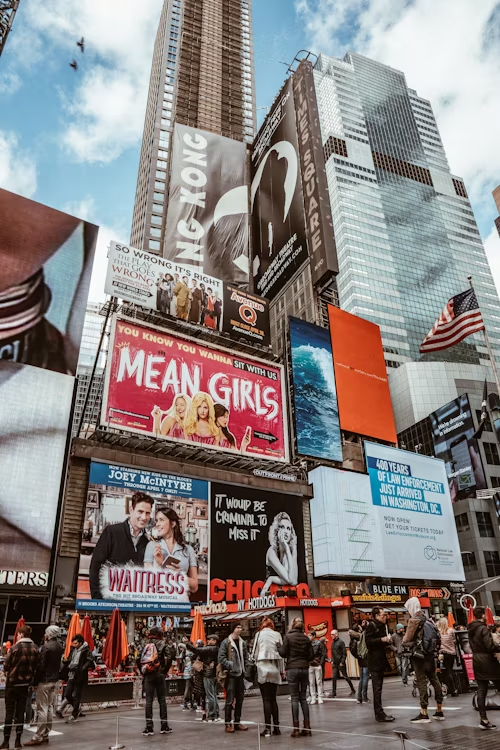
Out‑of‑home (OOH) advertising continues to be one of the most visible media channels in 2026. Unlike digital ads that can be blocked or ignored, billboards command attention from commuters, pedestrians, and travelers alike. They are especially effective for building brand awareness, reinforcing messaging, and driving local foot traffic.
Billboard marketing has evolved beyond simple static signs to include dynamic content and real‑time data feeds. Brands now integrate weather, traffic, or social media signals into their campaigns, creating a more engaging experience for the viewer. The result is higher recall rates and stronger emotional connections compared to other OOH formats.
Key Benefits of Billboard Marketing
- High visibility across diverse audiences
- Geographic precision – target specific neighborhoods or transit hubs
- Long‑term exposure with repeat viewers
- Complementary to digital campaigns for cross‑channel reinforcement
- Cost‑effective per impression when scaled appropriately
While the fundamentals remain, the technology and data layers that support billboard marketing have advanced. Brands that leverage these new capabilities can achieve a higher return on investment than those relying solely on static billboards.
Industry research continues to highlight OOH’s unique contribution to brand recall. For instance, campaigns that pair a digital billboard with a localized social media push often see a 25% lift in overall engagement compared to either channel alone. This synergy underscores why many marketers now view billboards as an integral part of an omnichannel strategy rather than a standalone asset.
2. Types of Billboards: Static, Digital, and Smart
Static billboards are still the backbone of OOH advertising. They offer simplicity, low maintenance, and durability. However, they lack the flexibility to adapt content or respond to real‑time conditions.
Digital screen billboards have become mainstream in 2026. With high‑resolution displays, they allow for animated graphics, video, and rotating messages. Digital screens can also be updated remotely, making them ideal for time‑sensitive promotions.
Smart billboard advertising represents the next frontier. These installations combine digital signage with sensors, AI algorithms, and data feeds to deliver hyper‑personalized content based on foot traffic patterns, weather changes, or even demographic estimates from cameras. Smart billboards can change tone, language, or offers in seconds.
Differentiating Factors Between Billboard Types
- Installation cost: static <$10k – $30k, digital $50k–$200k, smart $150k–$400k
- Content flexibility: static fixed, digital rotate, smart adaptive
- Power requirements: static minimal, digital high, smart highest
- Maintenance frequency: static low, digital moderate, smart frequent
- Data integration: none for static, basic API for digital, full analytics for smart
- Regulatory complexity: lowest for static, moderate for digital, highest for smart
The choice among these options depends on budget constraints, campaign objectives, and the level of engagement you wish to achieve. In many cases, a hybrid strategy—combining static anchor points with digital or smart overlays—provides the best balance.
Hybrid models are increasingly popular: a large static billboard can host a small digital panel that rotates a limited set of messages, allowing brands to maintain brand consistency while injecting fresh content where it matters most. This approach also keeps installation costs lower than a full‑digital structure while still offering measurable performance metrics.
3. Choosing the Right Type: Strategic Considerations
Deciding whether to go static, digital, or smart requires a clear understanding of your target audience and campaign goals. Start by defining what you want to achieve: brand awareness, lead generation, event promotion, or local sales.
Next, assess the geography of your audience. High‑traffic urban centers may justify a higher investment in smart billboards that can capture commuters' attention with dynamic content. Rural areas or low‑density zones might work better with static signs due to lower footfall and reduced power infrastructure.
Budget is always a factor. While digital and smart billboards offer superior flexibility, they also demand higher upfront costs and ongoing maintenance budgets. Static billboards can be deployed more quickly and at scale if you have limited capital.
In my experience working with a mid‑size automotive brand, we ran a hybrid campaign that paired static billboards for brand consistency with digital overlays in downtown areas to push time‑limited test drive offers. The result was a 12% lift in showroom traffic within the first month.Decision Criteria Checklist
- Audience reach and density
- Desired content flexibility (static vs. dynamic)
- Geographic targeting precision
- Budget allocation across media mix
- Regulatory approval timeline
- Data integration needs for measurement
- Maintenance capacity and resources
- Power supply availability
- Competitive presence in the area
Use this checklist to weigh each factor against your campaign priorities. A structured approach reduces guesswork and ensures you invest in the most effective billboard format.
For example, a local coffee shop with steady foot traffic might opt for a static sign that highlights its flagship espresso, while a national retailer launching a seasonal promotion could justify a smart billboard that displays real‑time weather overlays to suggest “Grab a hot latte on this chilly morning.” This tailored approach maximizes relevance without overextending resources.
4. Creative Best Practices for Billboard Content
A billboard’s effectiveness hinges on clarity and impact. The viewer has only a few seconds to absorb the message while moving at speed or passing by. Therefore, simplicity is paramount.
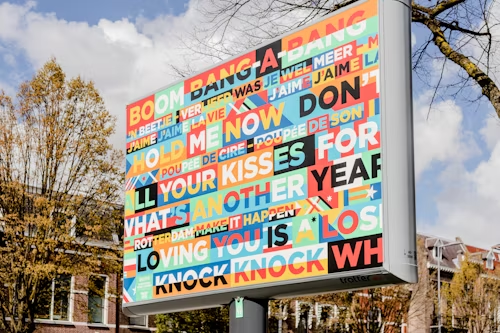
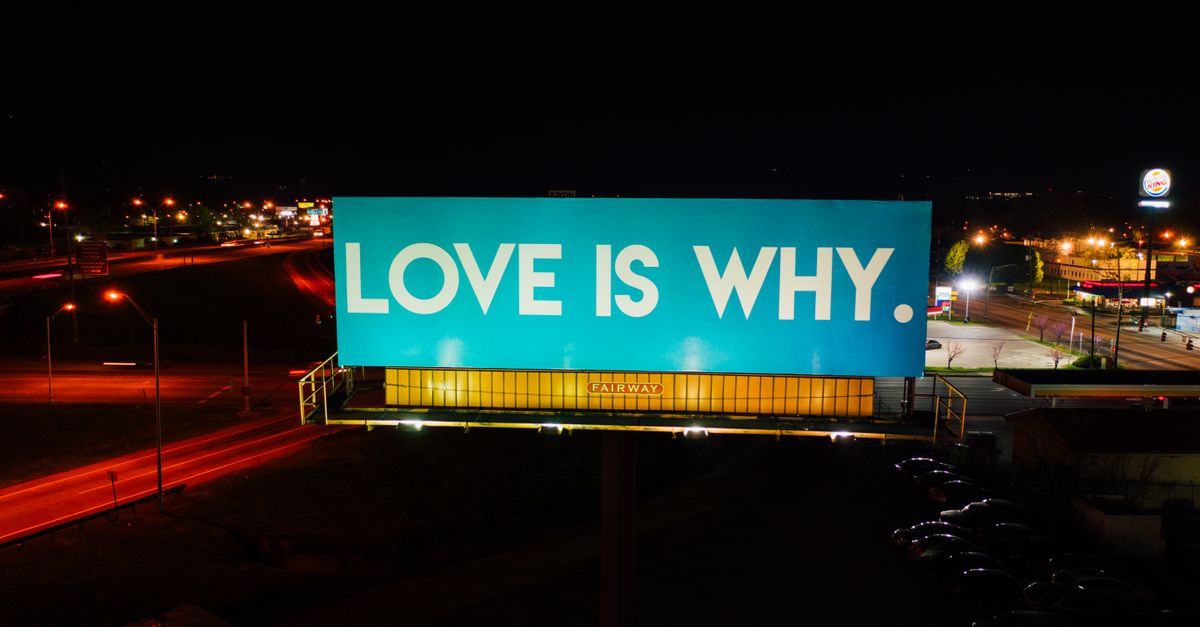
Design guidelines include high‑contrast colors, large typefaces, minimal text, and a single call‑to‑action (CTA). Avoid cluttering the visual space with multiple offers or logos; focus on one compelling idea that resonates locally.
Incorporate local flavor when possible—use landmarks, regional slang, or city‑specific imagery—to create relevance. This boosts recall and encourages community engagement.
Creative Dos & Don’ts
- Do use bold, sans‑serif fonts for readability from a distance.
- Do limit copy to 5–7 words or less.
- Do include a clear CTA (e.g., “Visit Now”, “Call Today”).
- Don’t overcrowd with too many graphics or colors.
- Don’t use small fonts that vanish at speed.
- Don’t rely on complex animations that distract.
- Do test variations locally before full rollout.
- Don’t ignore local regulations for imagery and text.
When designing for smart billboards, consider dynamic layers such as weather icons or real‑time offers. These can be switched without redesigning the entire visual pack.
Color psychology also plays a critical role: warm hues like red or orange can evoke urgency, while cooler tones such as blue suggest trust and calmness. Matching your billboard palette to your brand’s core messaging amplifies memorability and reinforces brand identity across all touchpoints.
5. Measuring Success and ROI of Billboard Campaigns
Traditional static billboards made measurement a challenge; however, advances in technology now enable precise tracking of impressions, engagement, and conversion.
Key metrics include:
- Impressions: Estimated number of viewers based on traffic data.
- Click‑through or QR scan rates for digital billboards with embedded codes.
- Local foot traffic increases measured via Wi‑Fi analytics or mobile signal density.
- Sales lift tracked through unique promo codes or geofenced offers.
- Social engagement: hashtag usage, location tags correlated to billboard locations.
Integrate billboard data with your digital marketing stack (CRM, attribution platforms) to capture end‑to‑end customer journeys. For smart billboards, leverage real‑time dashboards to adjust creative on the fly and optimize spend dynamically.
When launching a national campaign for a consumer electronics retailer, we synced billboard QR codes with our mobile app’s push notifications. The combined data allowed us to attribute 18% of in‑store sales directly to billboard exposure.Measurement Tools & Platforms
- InMobi or Clear Channel Analytics for impression estimates.
- Google Analytics with UTM parameters for QR scan traffic.
- Wi‑Fi hotspot analytics from local providers.
- Mobile app SDKs for geofenced conversions.
- Social listening tools to capture brand mentions near billboard sites.
A robust measurement plan transforms billboard advertising from a vanity metric into a data‑driven investment. Calculating ROI often involves comparing incremental sales revenue against the total spend, adjusted for attribution weights derived from cross‑channel analytics.
6. Common Pitfalls and How to Avoid Them
Even experienced brands can fall into traps that erode the effectiveness of their billboard campaigns. Awareness of these pitfalls helps you sidestep costly mistakes.
One frequent error is underestimating the importance of site selection. A high‑visibility spot does not guarantee audience alignment if the traffic patterns do not match your target demographic.
Another mistake involves overcomplicating creative or ignoring local regulations, which can delay approvals and increase costs.
Common Mistakes to Avoid
- Choosing a billboard location without verifying traffic data.
- Using copyrighted imagery without proper licensing.
- Ignoring local zoning or sign ordinances.
- Deploying static billboards in areas that require dynamic engagement.
- Failing to set up measurement mechanisms from the outset.
By conducting thorough site audits, securing necessary permits early, and establishing a measurement framework, you can protect your campaign’s integrity and ROI.
Additional risks include seasonal variations—such as reduced traffic during off‑peak months—and environmental factors like extreme weather that may damage signage. Planning for protective coatings or relocation strategies mitigates these concerns without compromising creative intent.
7. Final Thoughts
Billboard marketing in 2026 thrives on the blend of timeless visibility and cutting‑edge data. By carefully selecting the billboard type, crafting concise yet engaging creative, and rigorously measuring performance, brands can unlock a powerful channel that reaches audiences where they live, work, and play. Whether you opt for the enduring presence of a static sign or the dynamic adaptability of a smart billboard, the core principle remains: deliver a clear, memorable message that resonates in the moment.
What metrics do you prioritize when evaluating the effectiveness of billboard advertising in your region?