What Is the ROI of Billboard Advertising on Major Highways in 2026?
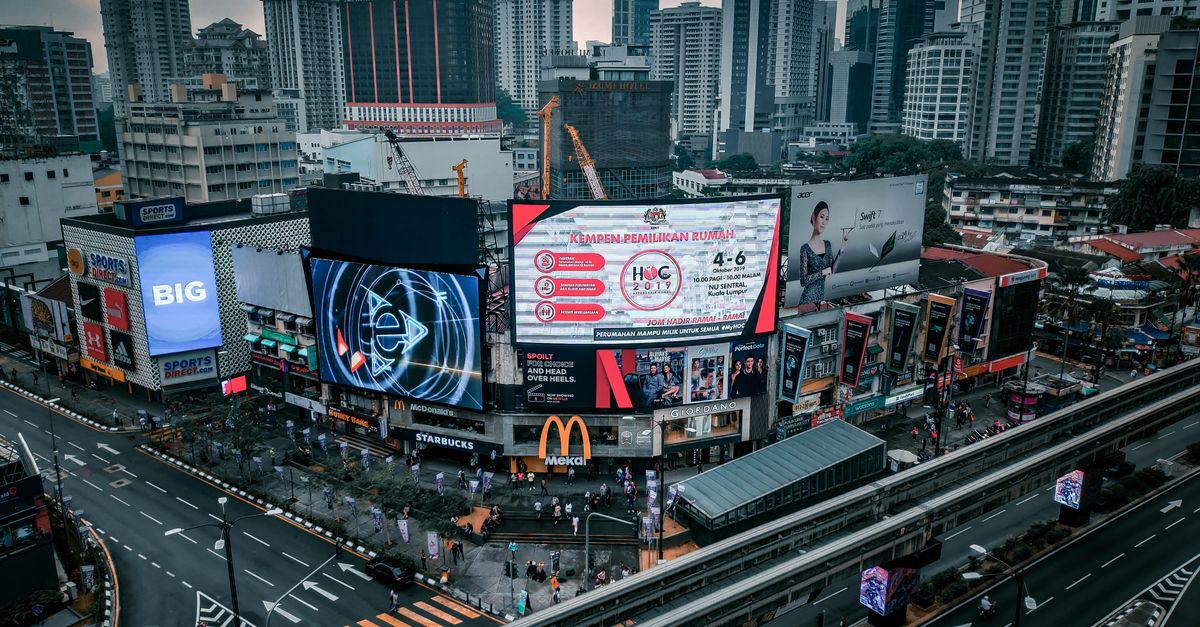
Billboard advertising remains a staple for brands that need high‑visibility exposure, especially along major highways where traffic volume is predictable. In 2026 the landscape has shifted toward smarter, data‑driven campaigns and more flexible pricing models. This review breaks down what you should know before committing to a billboard investment: the types of billboards available, cost structures, how to measure return on investment (ROI), and practical tips for making your campaign effective.
Understanding Billboard Advertising in 2026
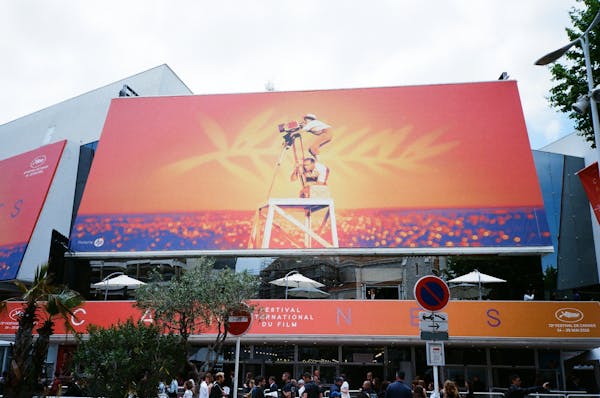
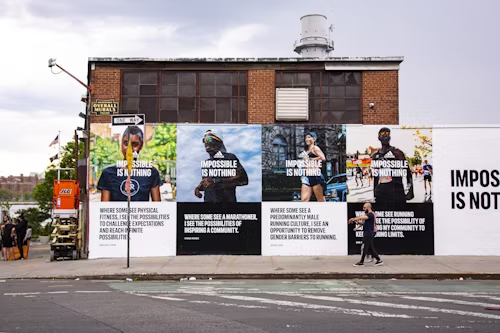
Billboard advertising is still one of the few media channels that guarantees physical presence on the road. Unlike digital ads that can be blocked or ignored, a billboard is unavoidable once you hit the highway. In 2026, the industry has seen increased adoption of LED and dynamic content, but static billboards continue to dominate due to lower cost and simpler logistics.
The key advantage remains reach: a single well‑placed billboard can expose your brand to thousands of drivers each day. The downside is that measuring direct impact is harder than with online ads, making ROI calculation more art than science. That’s why a clear strategy is essential before you sign a contract.
Types of Billboards and Placement Options
There are three main categories: traditional static billboards, digital LED billboards, and hybrid models that combine both. Static options are cheaper but lack flexibility; digital billboards allow multiple messages in one location, rotating based on time or traffic patterns.
Key Considerations When Choosing a Highway Billboard
- Traffic Volume: Higher counts increase impressions but also cost.
- Location Visibility: Ensure the billboard is visible from both directions and not obstructed by trees or structures.
- Amenities: Proximity to rest stops can boost dwell time for drivers.
- Regulatory Constraints: Some jurisdictions limit billboard size or placement near schools.
- Seasonality: Traffic spikes during holidays; plan campaigns accordingly.
Choosing the right spot requires a balance between cost and exposure. In my experience, negotiating a multi‑month contract often yields a better rate than short bursts of advertising.
Cost Structure of Affordable Billboard Rentals
The price of billboard rentals varies widely based on location, size, and whether you choose static or digital media. In 2026, the average cost for a standard 10x30 foot billboard in a major market ranges from $1,500 to $4,000 per month.
How Pricing Varies by Location and Size
Urban highways command premium rates due to high traffic density. Rural routes offer lower costs but may have fewer impressions. Digital billboards typically cost 25‑50% more than static equivalents because of the added technology and maintenance.
To keep expenses manageable, many small businesses opt for “affordable billboard rental” packages that bundle multiple sites or offer discounted rates for long‑term commitments. Always ask for a detailed breakdown: base rent, installation fees, content delivery charges, and any optional services like analytics.
Measuring ROI for Billboards
Calculating ROI for billboard campaigns hinges on linking impressions to measurable outcomes such as website visits, calls, or sales. Because billboards lack click‑through data, brands rely on indirect metrics: traffic counts, unique visitor surveys, and coupon redemption.
Common Metrics Used in Billboard Advertising ROI Calculations
- Impression Count: Estimated number of views per day based on traffic volume.
- Conversion Rate: Percentage of impressions that result in a desired action.
- Cost Per Acquisition (CPA): Total spend divided by the number of conversions.
- Incremental Sales: Additional revenue attributable to the campaign, often measured via A/B testing or time‑series analysis.
- Brand Lift: Surveyed changes in brand awareness or perception before and after exposure.
The most reliable metric for local businesses is usually coupon redemption. In my experience, offering a QR code that links to a short landing page provides the cleanest data set for attributing traffic to the billboard.
The key takeaway: A billboard’s ROI is maximized when you pair high‑traffic placement with an easily trackable call‑to‑action such as a unique coupon or QR code.Smart Billboards: Digital vs. Traditional
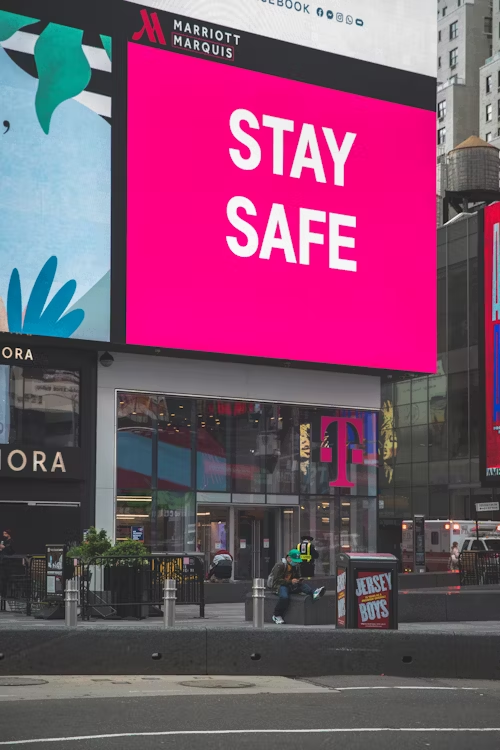
“Smart” billboards refer to LED displays that can change content in real time. They allow advertisers to tailor messaging by time of day, weather, and even demographic data gleaned from nearby devices.
Benefits of Smart (Digital) Billboards
- Dynamic messaging increases relevance.
- Remote management reduces on‑site logistics.
- Higher engagement through animated graphics.
- Potential for higher CPM due to premium positioning.
- Integration with mobile apps for interactive campaigns.
However, the higher upfront cost and need for a content management system can be prohibitive for very small brands. In 2026 many agencies offer “pay‑per‑view” models where you only pay for the time your ad is displayed, making digital billboards more accessible than before.
Practical Tips for Maximizing Impact
Even a well‑budgeted billboard can underperform if its creative or execution is weak. Focus on clarity, brand consistency, and measurable calls to action.
Best Practices for Creative Design and Messaging
- Keep it simple: One clear headline and minimal text.
- Use high‑contrast colors: Ensures visibility at a glance.
- Include a single CTA: QR code, phone number, or website URL.
- Match tone to brand voice: Consistency builds trust.
- Test variations: Run two versions in adjacent locations to gauge performance.
Remember that drivers have only seconds to absorb the message; design for speed and impact.
Common Mistakes to Avoid
1. Overloading the billboard with too much information – it dilutes the main point.
2. Ignoring local regulations – fines or removal can erase your investment.
3. Neglecting to track results – without data you cannot justify future spend.
4. Choosing a low‑traffic site hoping for “cheap” rates – reach is king in billboard advertising.
5. Failing to integrate with other channels – isolated campaigns miss synergy benefits.
Case Studies: Real-World Examples
A mid‑size coffee shop along I‑15 used a 12x60 digital billboard to promote a limited‑time seasonal drink. By embedding a QR code that led directly to an online ordering page, they saw a 35% increase in online sales during the campaign period.
A regional automotive dealership invested in three static billboards on Highway 101. They combined the exposure with a local radio spot that referenced the billboard’s imagery. The resulting spike in showroom visits matched their projected traffic estimates, confirming the ROI model.
What billboard metrics have you found most reliable for measuring local brand awareness?