Where can I find billboards near me for LED and mobile advertising in 2026?
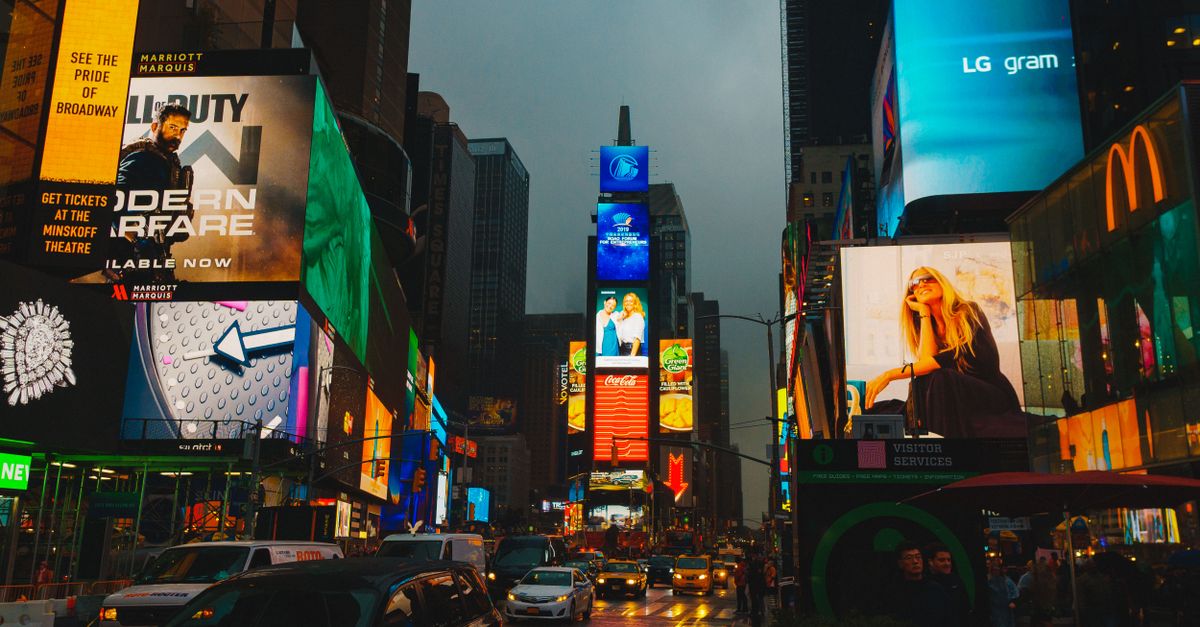
When planning a local or regional campaign, the first question is: where do I place my message? Whether you need a static LED billboard, a mobile unit, or a digital out‑of‑home (DOOH) platform, you must map available spots and understand how each medium works. This guide cuts through jargon and gives you a straight‑ahead path to locating billboards near me, comparing LED vs mobile options, and mastering DOOH media buying in 2026.
Understanding Billboard Advertising Types
Billboard advertising can be split into three main categories: traditional static billboards, LED digital displays, and mobile billboard units. Each has distinct strengths for different audiences and budgets.
LED Billboard Advertising
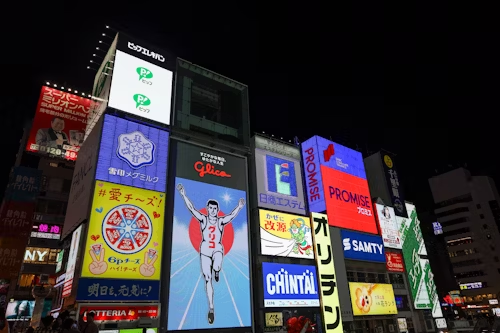
LED panels use high‑brightness LEDs to show video, animations, or rotating messages without film or printing. Remote updates allow brands to keep campaigns fresh with real‑time offers or seasonal themes.
Mobile Billboard Advertising
Mobile billboards—trucks, buses, trailers—move between locations, giving you “location flexibility” that static posts can’t match. Many now feature LED screens, blending the two formats.
DOOH (Digital Out‑of‑Home) Advertising
DOOH covers any digital outdoor display—LED panels, transit screens, interactive kiosks. Its key advantage is data‑driven targeting: schedule content based on traffic patterns or demographic insights.
Key Differences at a Glance
- Visibility: LED > Mobile > Static (depends on location)
- Content Flexibility: Video/animation possible on LED; limited on mobile unless equipped with screens.
- Cost per Impression: LED usually higher, but ROI can be stronger if the audience is premium.
- Setup Time: Mobile campaigns roll out quickly; LED requires coordination with site owners.
- Regulatory Hurdles: All need permits, but mobile units often face fewer zoning restrictions because they’re transient.
How to Search for Billboards Near Me
If you’re hunting for “find billboards near me,” start with a systematic approach. Most cities have dedicated billboard directories or local agencies that maintain inventory lists.
Tips for Locating Billboards
- Use Google Maps and search for “billboard” or “advertising space.” The map often shows clusters of commercial signage.
- Check state DOT databases; they list approved billboard locations and contact info.
- Reach out to local advertising associations.
- Tap into digital billboard platforms like Luma, Clear Channel, or local DOOH operators for online inventory tools.
- Ask the city planning office about zoning maps; high‑traffic corridors are prime spots.
- Leverage industry forums where marketers share recent buys and performance metrics.
- Small business owners often own billboard space at lower rates than national operators.
Once you’ve identified potential sites, verify the technical specs: size, power availability for LED units, and proximity to traffic lanes. This groundwork saves time when you move from prospecting to booking.
Using Online Inventory Tools
Many DOOH operators now offer web portals that let you filter by city, budget range, or media type. These tools display real‑time availability, allowing you to lock in a spot before competitors do. Pay close attention to “viewability” metrics—some screens have built‑in analytics that report how many passing vehicles actually see your content.
Evaluating Cost and ROI
Billboard campaigns can vary wildly in cost—from a few hundred dollars per month on a small mobile unit to several thousand for prime LED locations. Understanding the economics is essential to avoid overspending without returns.
Cost Factors to Consider
- Location Premium: Sites near highways, downtown cores, or transit hubs command higher rates.
- Media Type: LED panels cost more due to equipment and maintenance; mobile units incur vehicle depreciation and driver wages.
- Duration: Longer contracts often come with discounts but lock in rates during inflationary periods.
- Creative Production: Video content for LED is pricier than static graphics.
- Permits & Insurance: Some municipalities charge fees or require additional liability coverage.
- Measurement Tools: DOOH platforms may offer audience analytics that justify higher spend.
The ROI equation for billboard advertising is simple: Revenue Generated ÷ Campaign Cost = Return on Investment. Tracking methods vary—coupon codes, QR codes, or localized landing pages attribute sales back to a specific billboard. Pairing a billboard with a geotargeted digital campaign amplifies attribution accuracy.
Budgeting Over Time
When planning a multi‑month rollout, create a phased budget that accounts for seasonal traffic spikes (e.g., holiday shopping or back‑to‑school). Many operators offer tiered pricing: a 30‑day contract may cost X per week, while a 90‑day contract reduces the weekly rate by 10–15%. Forecast expected revenue each season and align it with projected spend to avoid budget shortfalls during peak periods.
Comparing LED vs Mobile vs Traditional Billboards
The right medium depends on objectives, audience, and budget constraints. Below are combined advantages for quick reference.
- LED: High visibility, dynamic content, strong brand recall, data integration—ideal for premium campaigns targeting commuters or high‑traffic urban corridors.
- Mobile: Flexibility to cover multiple markets, lower upfront cost, rapid deployment—best for regional rollouts or events needing quick placement changes.
- Static: Lower production costs and simpler creative requirements; effective for broad brand awareness in rural or low‑density areas.
Many brands layer these approaches: a flagship LED display in the city center paired with a fleet of mobile units covering surrounding suburbs.
Scenario Guide
- Product Launch in a Megacity: Combine an LED hub on a downtown high‑rise with satellite mobile units circulating nearby residential districts for depth and breadth.
- Seasonal Retail Push: Deploy LED billboards along major interstates during the holiday season while using mobile billboards to target smaller towns where foot traffic is lower.
- Event Promotion: Use a mobile billboard with an integrated LED screen to circulate through key event venues, allowing on‑the‑fly message changes based on crowd response.
DOOH Media Buying Basics
Digital out‑of‑home advertising has evolved into a data‑rich channel. Successful DOOH media buying involves strategic planning, precise targeting, and real‑time optimization.
Steps to Buy DOOH Media
- Define Objectives: Awareness, lead generation, or event promotion.
- Identify Target Audience: Use demographic data from city reports or transit ridership statistics.
- Select Platforms: Choose between LED billboards, transit screens, or interactive kiosks based on audience proximity.
- Negotiate Rates: Leverage volume discounts if buying multiple impressions across a network.
- Create Engaging Content: Short, high‑contrast visuals that read at a glance; video loops of 15–30 seconds work best.
- Track Performance: Use platform analytics or third‑party measurement tools to monitor view counts and engagement.
A key advantage is the ability to adjust spend in real time. If a corridor underperforms, you can reallocate budget to higher‑yield locations within days—something static billboards cannot match.
Creative Best Practices for DOOH
- Font Size & Contrast: Headline readable from 100 feet; use black or white fonts on contrasting backgrounds.
- Message Simplicity: One sentence and a single call‑to‑action.
- Dynamic Elements: Smooth motion; avoid abrupt transitions that distract drivers.
- Localization: Tailor content to reflect local culture or language nuances for higher resonance.
Case Study: A Small Business Uses Mobile Billboard to Promote a Pop‑Up Event
A boutique coffee shop in Portland used a mobile billboard with an LED screen looping latte art and opening hours. Routing the unit through key transit lines yielded over 60,000 impressions in one week and a 35% uptick in foot traffic compared to the prior month. The campaign cost less than $1,200 for a 30‑day lease, proving mobile DOOH can deliver measurable results on a modest budget.
Common Mistakes in Billboard Advertising
Even seasoned marketers stumble if they overlook these pitfalls.
Top 5 Missteps to Avoid
- Overloading Graphics: Too many details kill readability; keep it simple and bold.
- Ignoring Local Regulations: Failing to secure permits can halt a campaign overnight.
- Underestimating Traffic Patterns: Placing a billboard in an area with low vehicle flow dilutes impact.
- Neglecting Call‑to‑Action (CTA): A billboard without a clear CTA is like shouting into the void.
- Not Testing Variations: Without A/B testing, you miss opportunities to improve performance.
Seasonal Traffic Neglect
Many campaigns ignore traffic volume fluctuations. For example, a billboard on a suburban highway may be highly visible during summer commuting but drop sharply in winter when people stay home. Factoring seasonal variations into your placement strategy prevents wasted impressions during low‑traffic periods.
Practical Checklist for Launching a Billboard Campaign
Use this checklist to stay organized from concept to execution.
- [ ] Define campaign goals and KPIs.
- [ ] Map target audience demographics and traffic data.
- [ ] Scout and shortlist billboard locations using the techniques above.
- [ ] Decide on media type: LED, mobile, or traditional.
- [ ] Secure permits and insurance coverage.
- [ ] Produce high‑resolution creative assets (static or video).
- [ ] Negotiate contracts with clear terms for duration and placement.
- [ ] Set up tracking mechanisms (QR codes, geofenced offers).
- [ ] Monitor performance weekly; adjust budget as needed.
In my experience, integrating a DOOH platform with a localized landing page or QR code gives confidence that impressions translate into real leads.
What challenges have you faced when locating billboard inventory for your local campaigns?